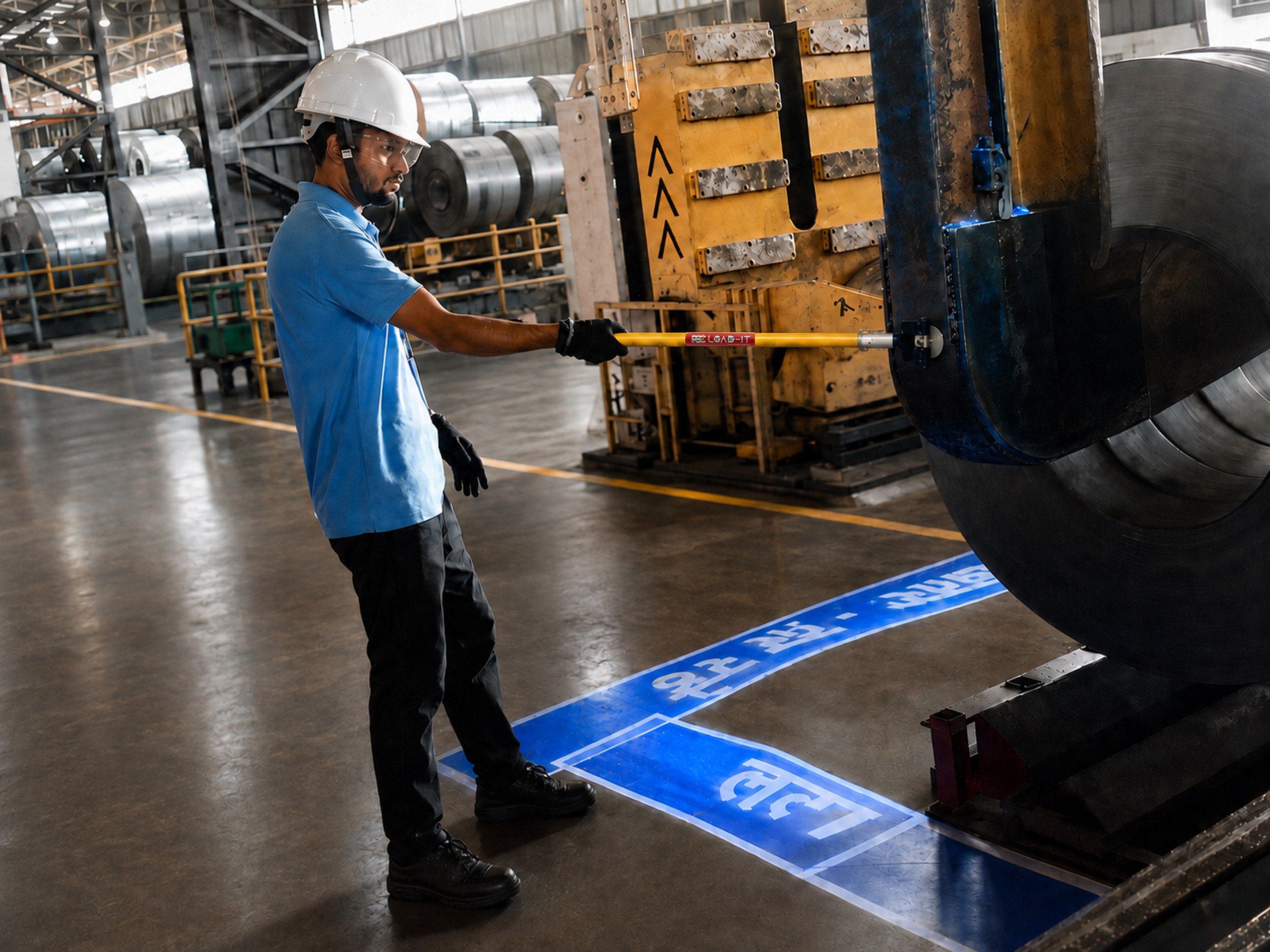
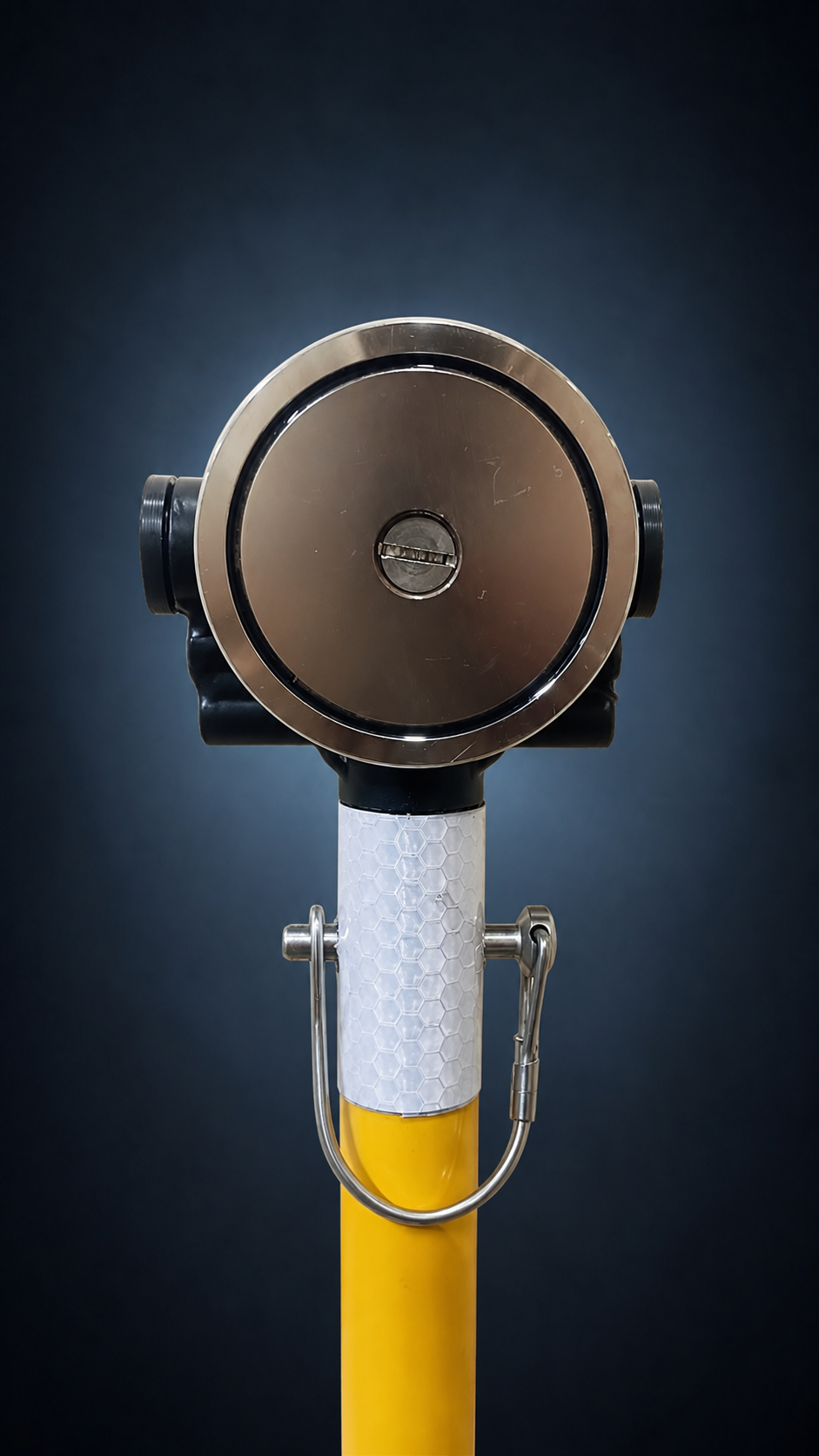
Force Condition 1: Published Magnetic Holding Force
The published holding force — 275 lb for PSC's 60 mm head, 550 lb for the 75 mm head — describes the magnetic head's attraction capability when fully seated on a suitable ferrous surface under laboratory test conditions. The test measures perpendicular pull force on a clean, flat, thick steel plate. This is the correct international standard for rating and comparing permanent magnets. It does not describe how the tool behaves during guidance work.
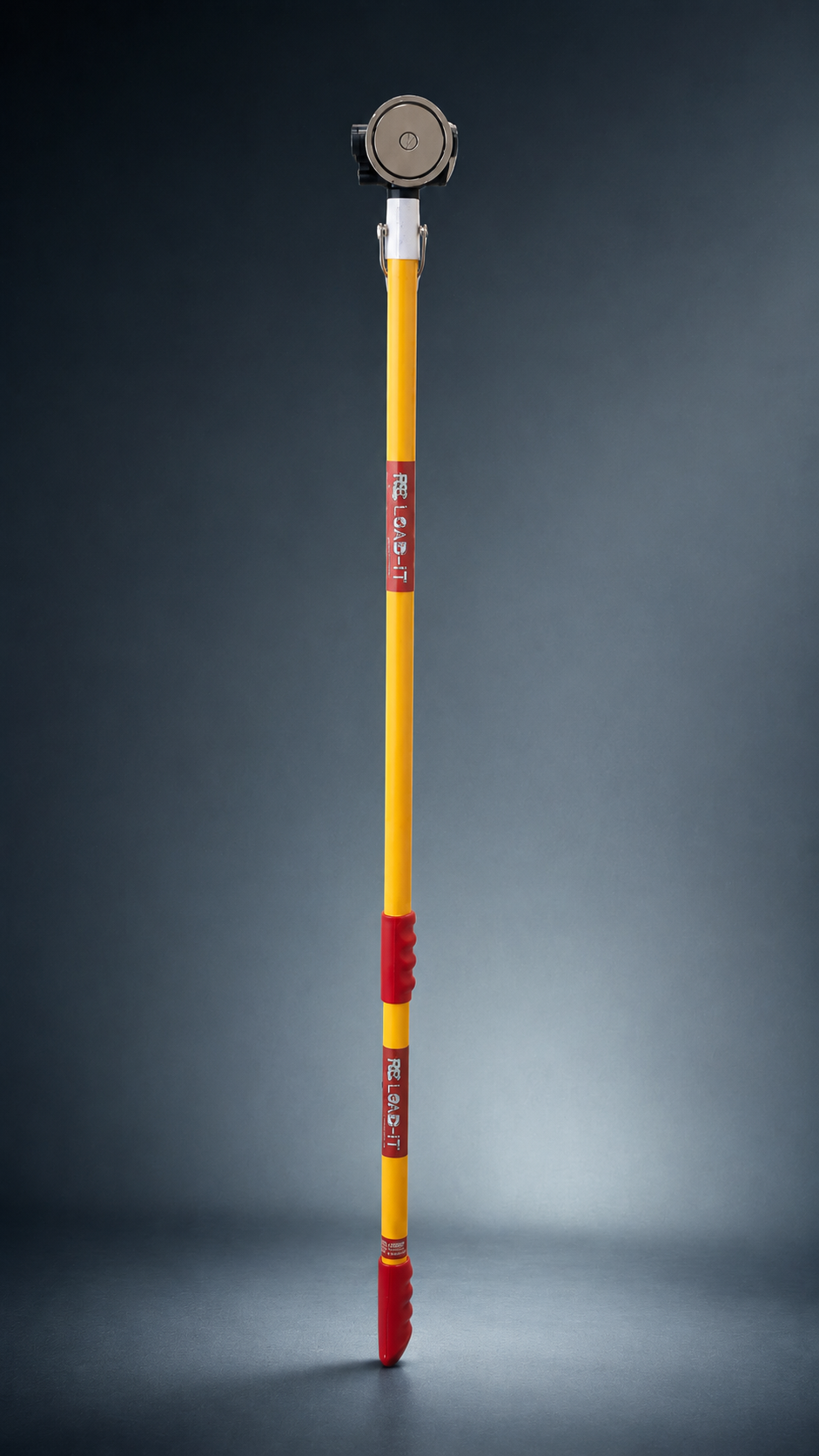
Force Condition 2: Guidance Force
During suspended-load positioning, the crane supports the full weight of the load. The magnetic interface transfers only the operator's guidance force — the small, controlled directional force used to steady the load, reduce swing, guide rotation, align components, and make positioning corrections. This is applied laterally — sideways across the face of the magnet — not perpendicular to it.
Lateral shear resistance is mechanically different from perpendicular pull force, and it is significantly lower under the same surface conditions. The forces required during normal guidance work are substantially lower than the published holding force, because the tool is not lifting or supporting the suspended load — the crane is doing that. The tool should feel workable and responsive throughout, not like a wrestling match with the magnet.
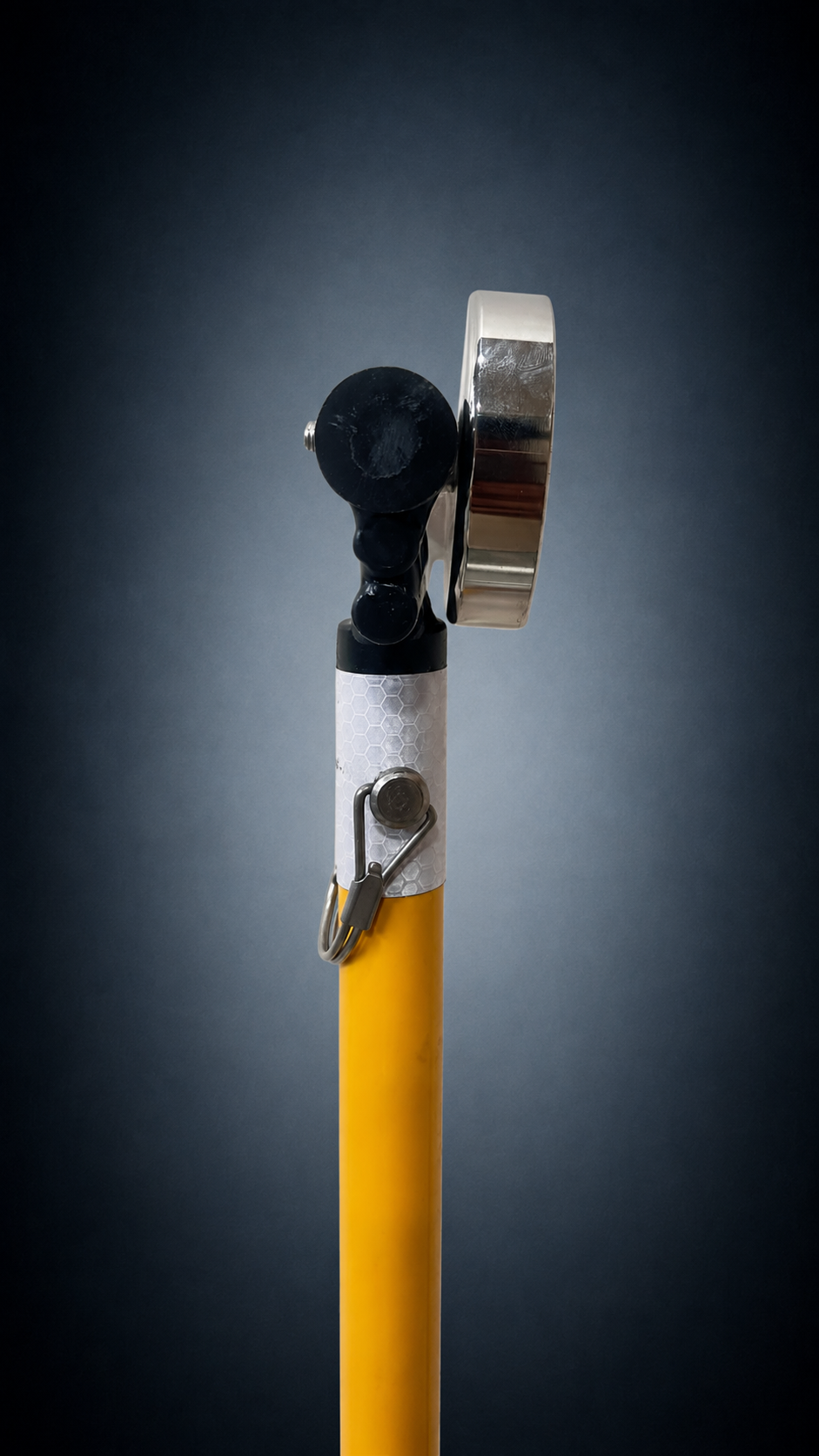
Force Condition 3: Disengagement Force
Once the load has reached its final supported position and is fully at rest, the operator intentionally removes the magnetic interface by changing the handle angle to progressively peel the magnetic face away from the steel — not by pulling the entire face directly off the surface. This peeling action works progressively from one edge, so the force required is significantly lower than the published holding force.
Disengagement is performed only after the load is fully landed and supported — never while it remains suspended.
Published Holding Force describes the magnet's attraction capability. Guidance Force is the operator's steering input while the crane supports the load. Disengagement Force is the intentional removal once the load is down. Understanding the distinction between all three is essential for correct selection and application.
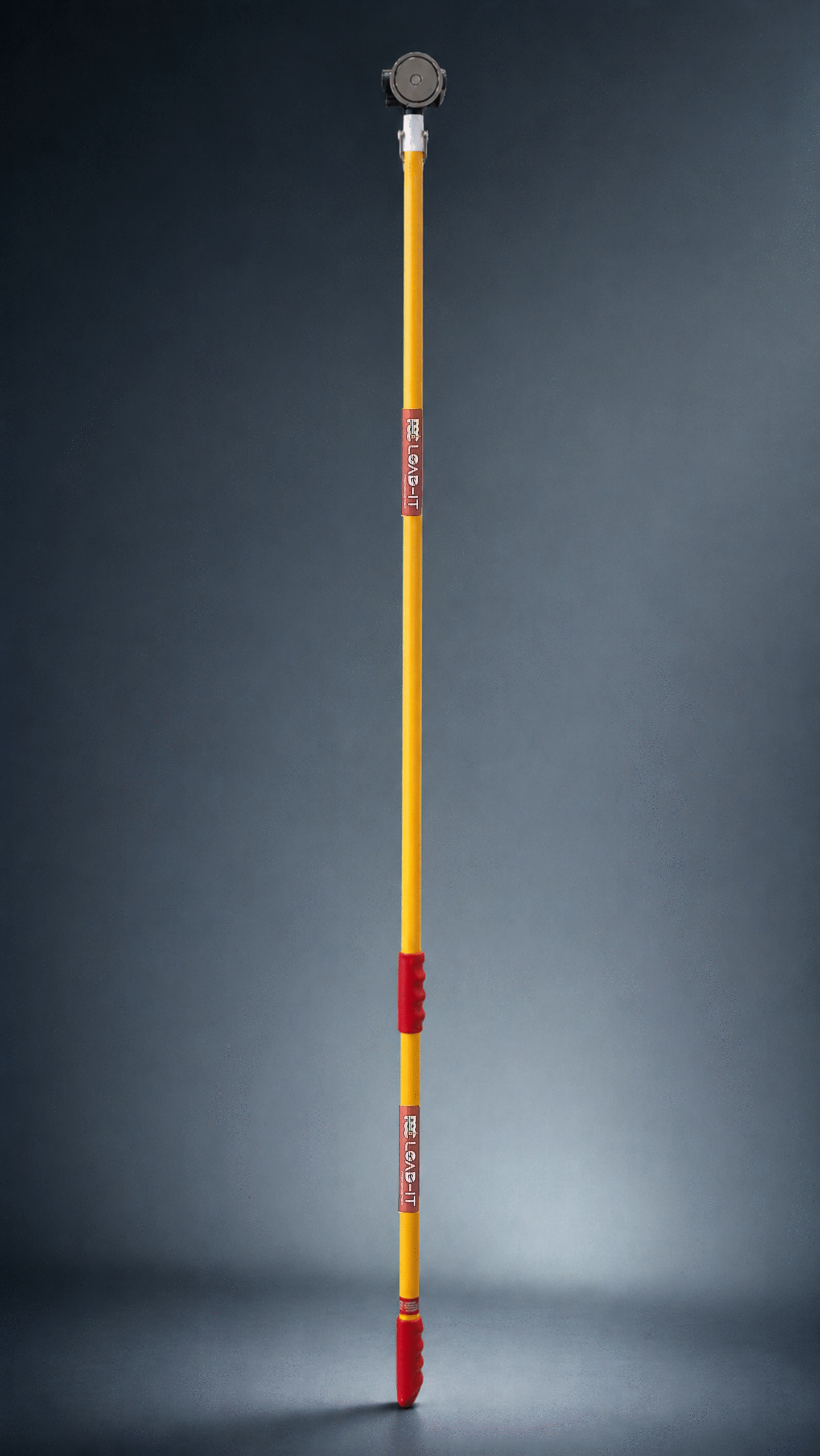
Why a Guidance Magnet Should Not Behave Like a Lifting Magnet
A lifting magnet must not let go while the load is airborne — maximum sustained holding force is its entire design objective. A guidance tool has the opposite requirement: it must remain comfortably engaged throughout a sustained positioning task, and it must release cleanly once the load is down. If the magnetic interface resisted its full perpendicular pull rating during every lateral guidance movement, the operator would fight the magnet on every adjustment. Guidance would become slow, tiring, and impractical.
The correct design objective for a guidance magnet is operator usability under sustained engagement: strong enough for positive directional control throughout, calibrated so that frequent small corrections remain comfortable and unforced.
Premium Engineering Consultation
Not sure which configuration fits the task?
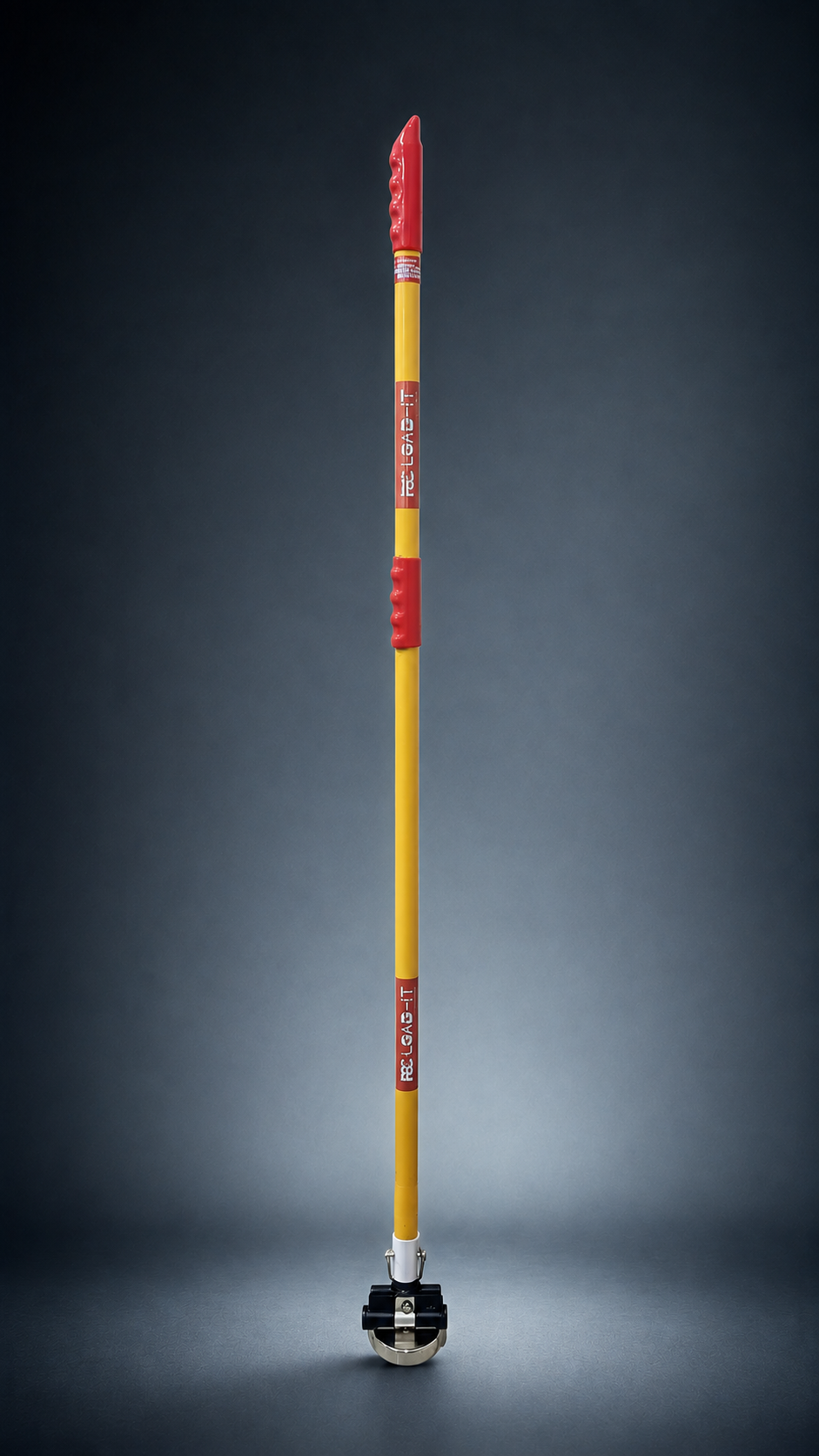
PSC's Application Mapping Review examines the actual task — the load, the surface, the access conditions, and the operator's movement — and recommends the correct matched configuration.
Request a Load-It® Application Mapping Review Load-It® System →