
Source 01
Operator movement
Body position, walking direction, push/pull direction and wrist angle can all change while the positioning sequence continues.
Layer 2 · Engineering Article · Load-It® Philosophy
Suspended loads rarely move in a single plane. The operator must move around the load as it drifts, rotates, and requires correction from different angles. Continuous Magnetic Engagement™ is the engineering response to that reality.
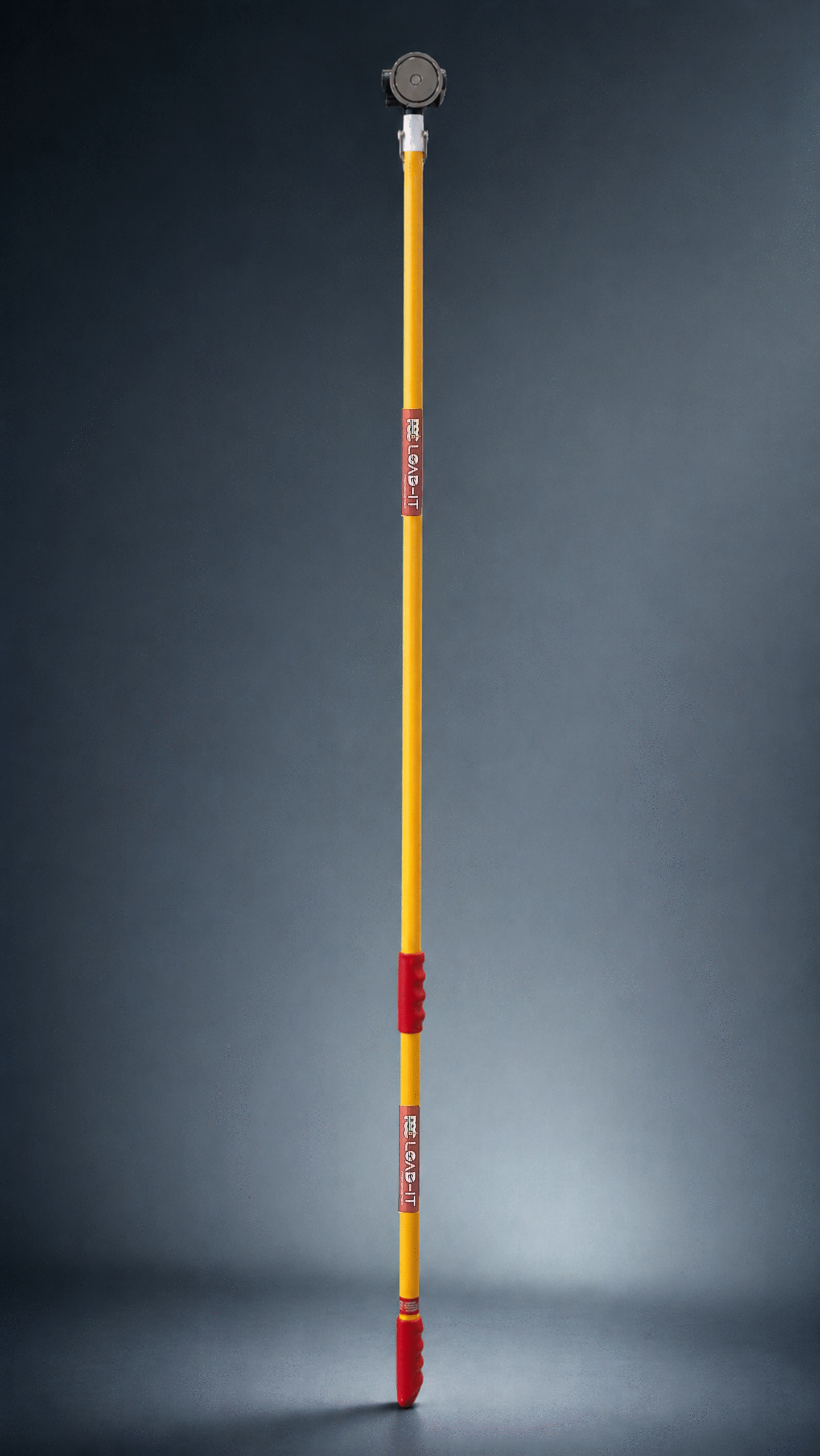
The Engineering Problem
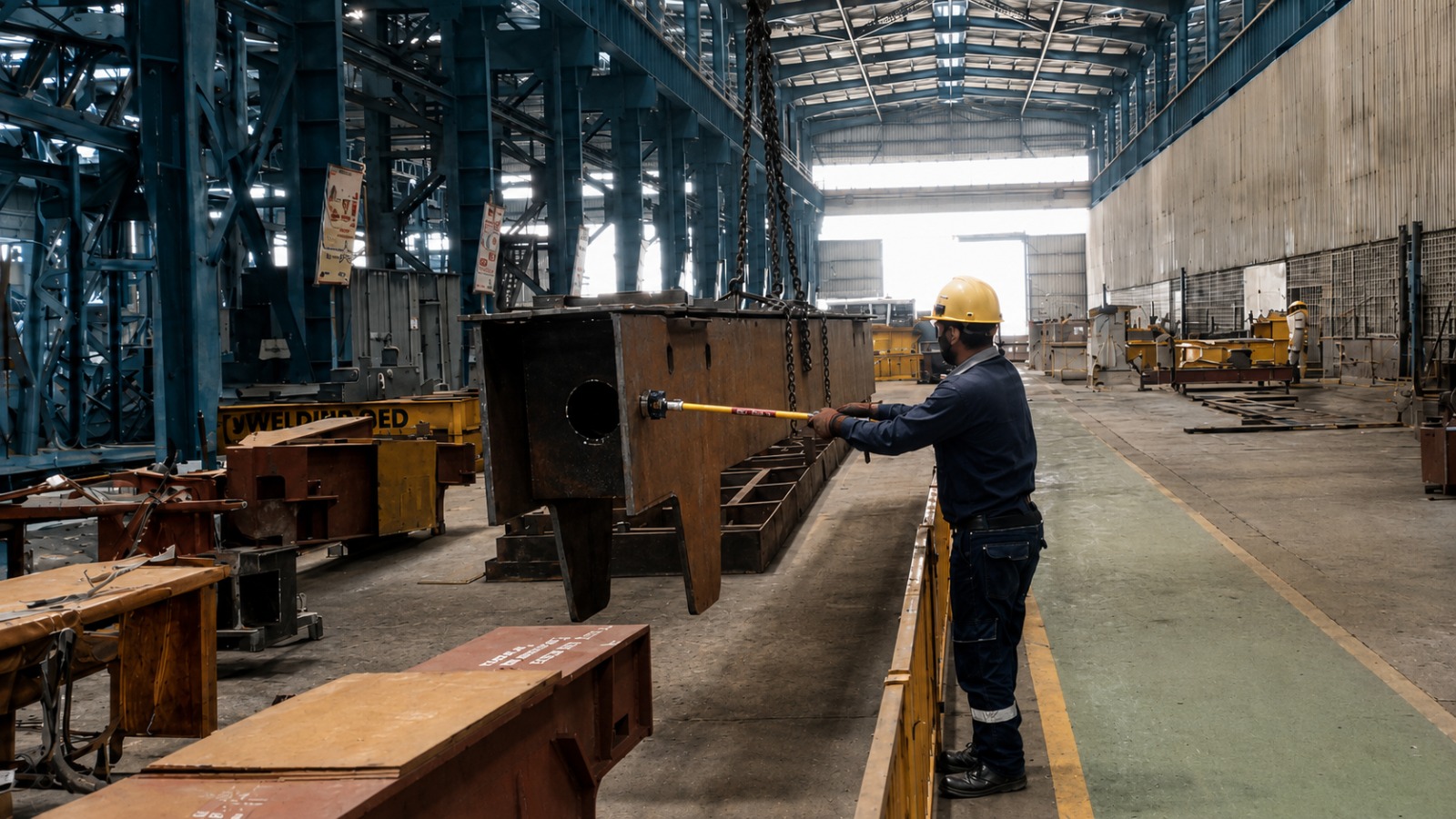
It is easy to assume that the load is the primary source of motion during a positioning task, and that the operator simply reacts to it. In practice, the relationship is often reversed. A suspended load, once initial drift has settled, tends to move slowly and within a limited arc. The operator frequently needs to move substantially — stepping around the load, repositioning to apply force from a different direction, or walking alongside it — all while the load's own orientation continues to shift independently.
A tool with a fixed or narrow engagement angle treats every operator movement as an interruption — a moment where the tool must be lifted away, the operator repositioned, and the tool reattached. Over a single positioning task, this can mean several detachment-reattachment cycles. More significantly, each reattachment is a moment where the natural response is to use the free hand to maintain control. The tool designed to replace hand contact is, by its own reattachment requirement, creating the conditions that bring the hand back.
The Engineering Principle
Maintaining engagement against a continuously changing situation requires articulation that accommodates two separate sources of change simultaneously: the operator's movement, and the load's own changing orientation. A tool that solves only one still forces a disengagement whenever the other source of change exceeds its range.
Body position, walking direction, push/pull direction and wrist angle can all change while the positioning sequence continues.
The suspended load can independently rotate, drift or change its relationship to the operator while guidance force is still required.
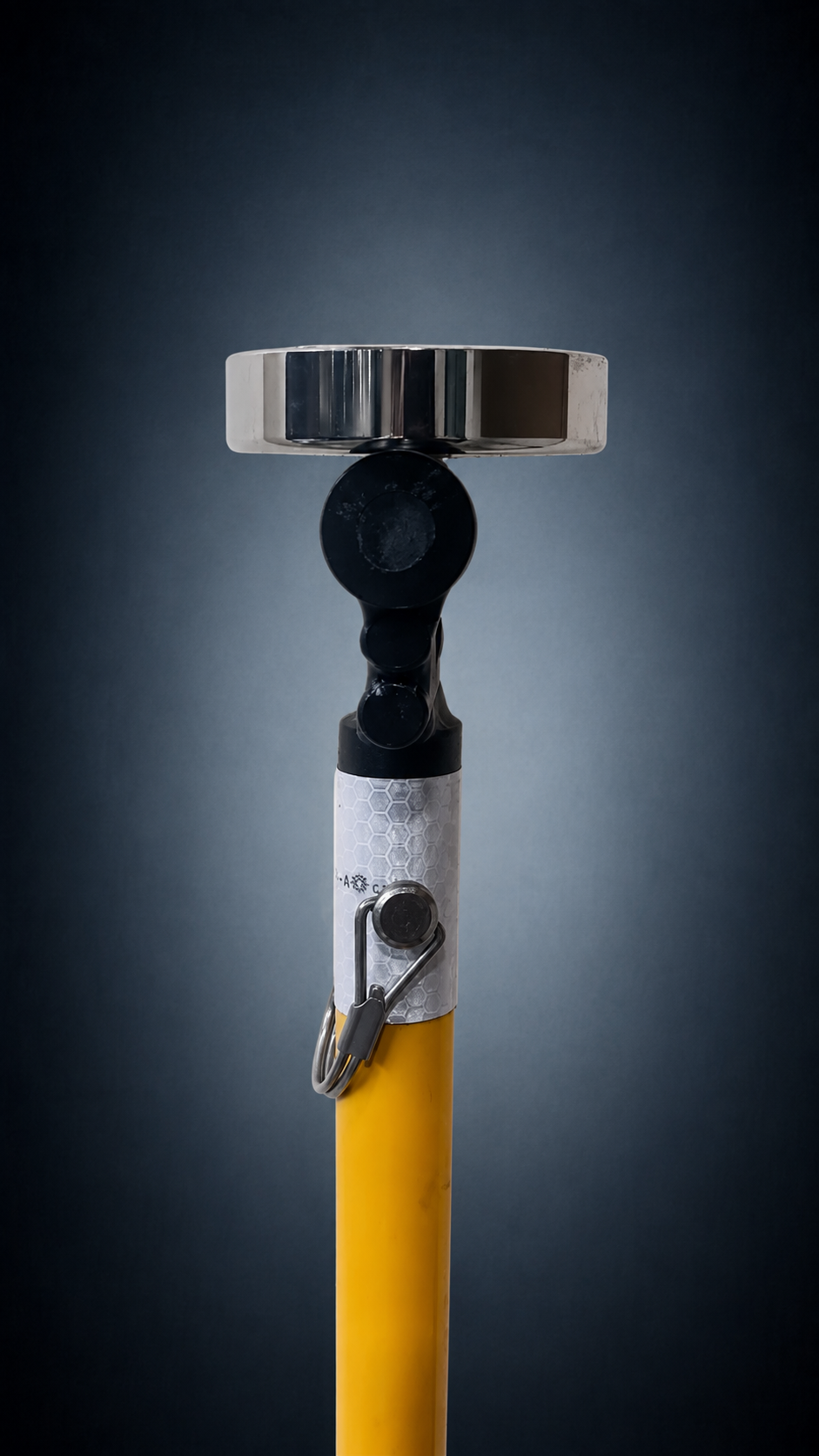
PSC's Solution · 180° Swivel Head
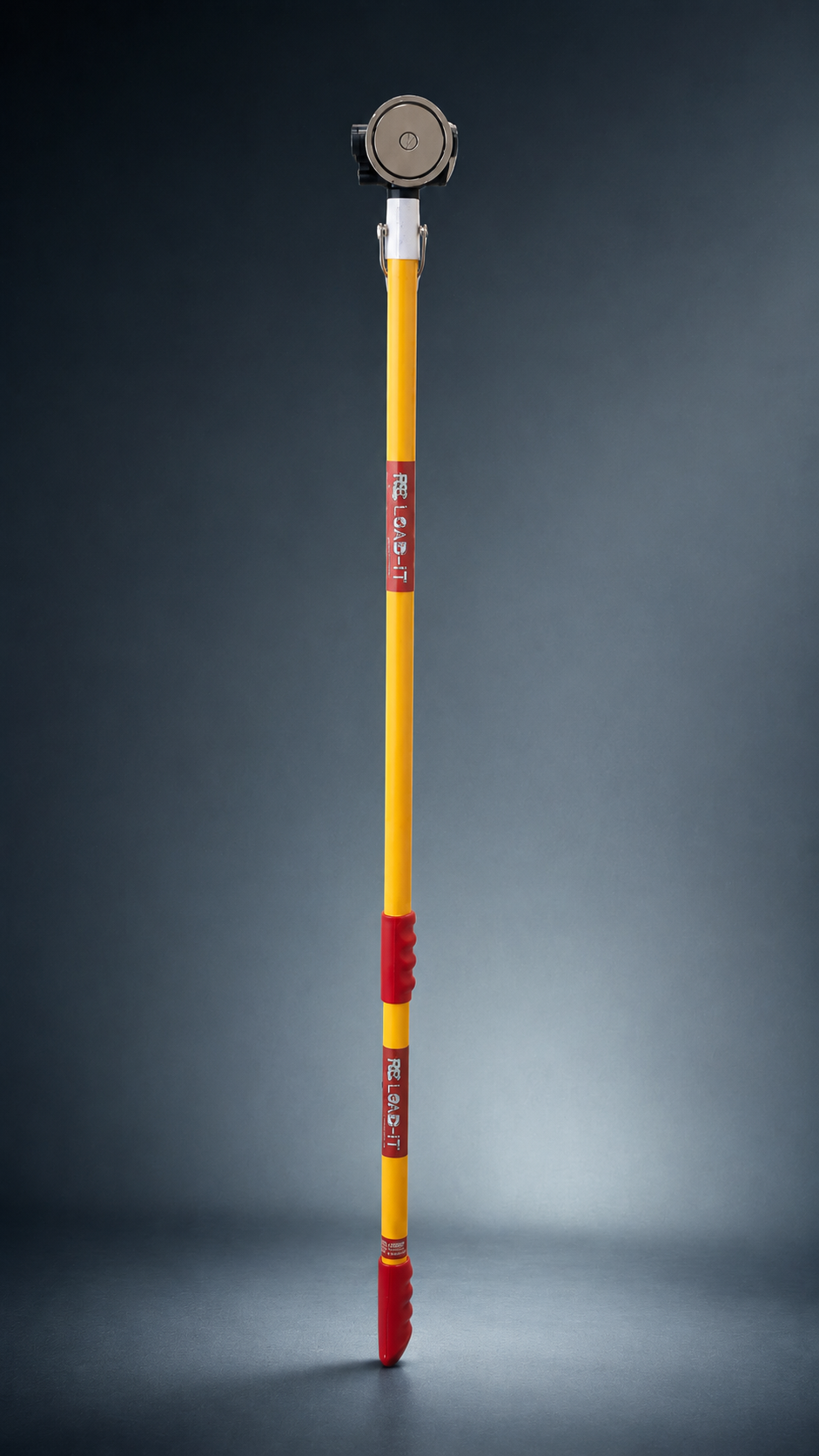
The 180° Swivel Head combines two mechanically independent movements. The first is 180° articulation between the handle and the head — the handle can swing through a wide arc relative to the magnetic head without the head losing contact with the steel surface. The second is 360° rotation of the magnetic face around its own mounting axis, independent of the handle's angle.
Because these movements are mechanically independent, the operator can change body position, walking direction, push/pull direction, and wrist angle simultaneously — all while the magnetic face remains flush against the steel surface. The handle adapts to wherever the operator's hand needs to be. The magnetic face adapts to whatever angle keeps it seated against the load, including a load whose own orientation is changing at the same time. Neither movement constrains the other.
Wide handle-angle change relative to the magnetic head while maintaining contact.
Independent face rotation around its own mounting axis to stay seated against the load.
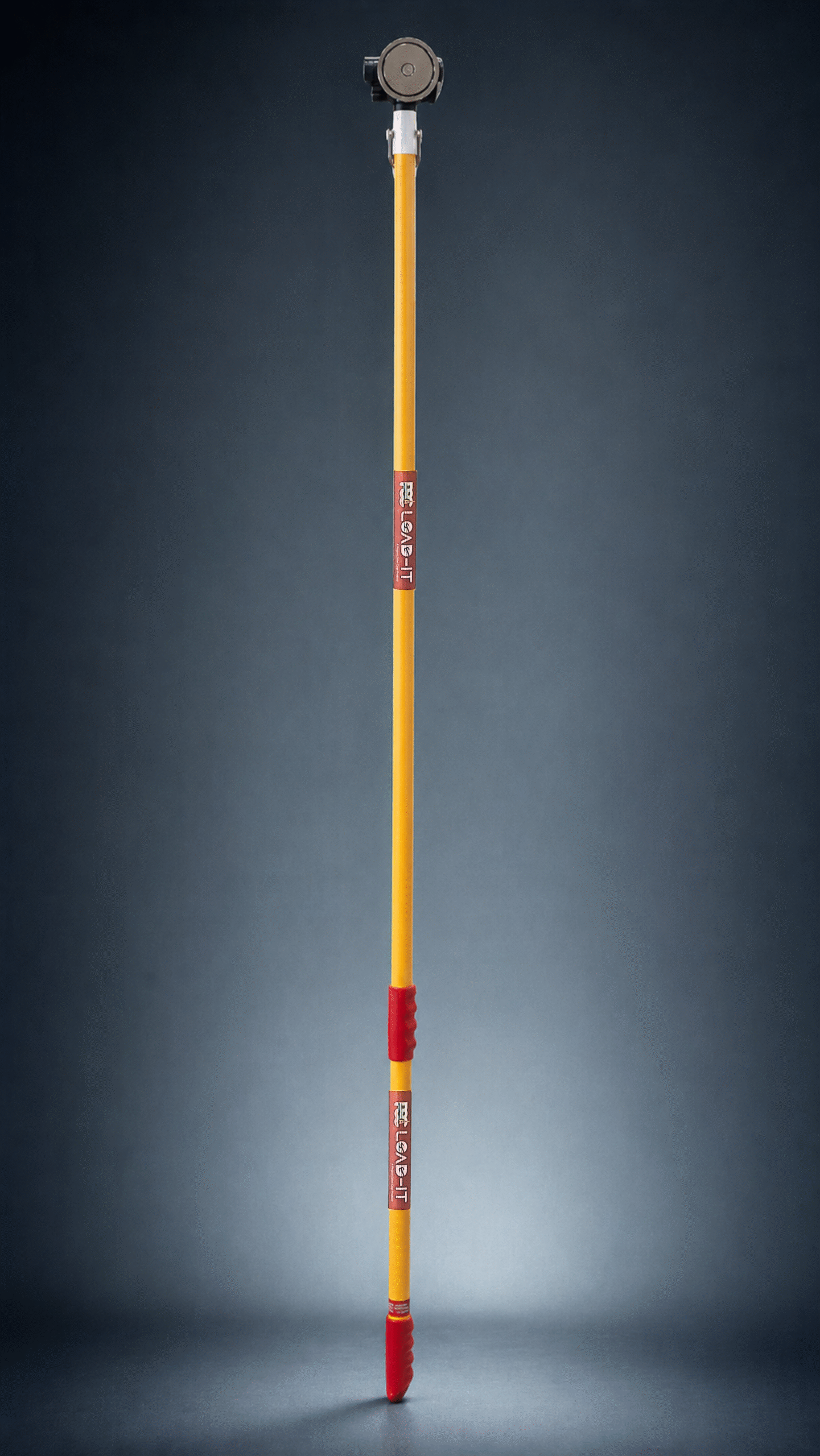
Engineering Benefits
When This Philosophy Applies
Continuous Magnetic Engagement™ is the correct philosophy when the operator's position relative to the load changes during the task, or when the load's own orientation is changing continuously.
For tasks with predictable, consistent geometry — where the operator works from one position and the load arrives in the same orientation lift after lift — a different philosophy applies. That is the subject of the next article.
Related Engineering Resources
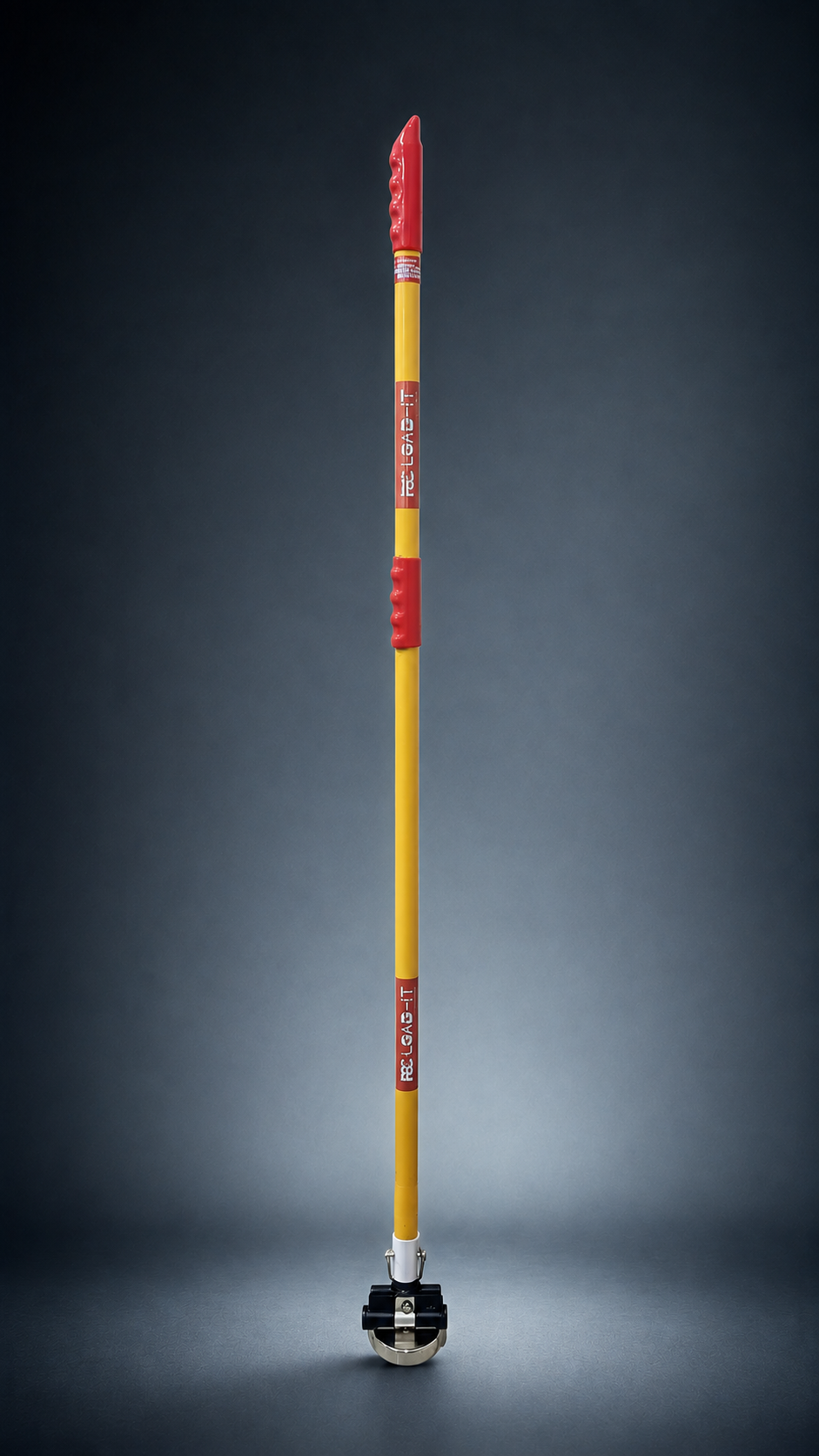
Review the MagHead system, configuration selection, magnetic-force guidance and the wider engineering approach to hands-free ferrous-load guidance.
Premium Engineering Consultation
PSC's Application Mapping Review examines the actual task — the load, the surface, the access conditions, and the operator's movement — and recommends the correct matched configuration.