
Phase 01
Lift
The load leaves the ground and enters controlled movement.
Layer 1 · Engineering Article · PSC Hand Safety
The lift itself is well-governed by standards. The positioning phase that follows it is not. This article examines the hazard that lives in the last centimetres of every steel lift.
The Positioning Phase as a Distinct Phase of Work
Lifting standards are well-developed. There are established requirements for crane selection, rigging calculation, load rating, inspection, and exclusion zones. What is far less standardised — and far less discussed — is what happens once the load is in the air and approaching its final position.
Most crane lifts have three distinct phases. The lift phase — where the load leaves the ground and is transported — is well understood and well governed. The positioning phase — where the load is guided into its final location — is routinely treated as an extension of the lift rather than as a separate phase with its own hazard profile. This is the source of the problem.
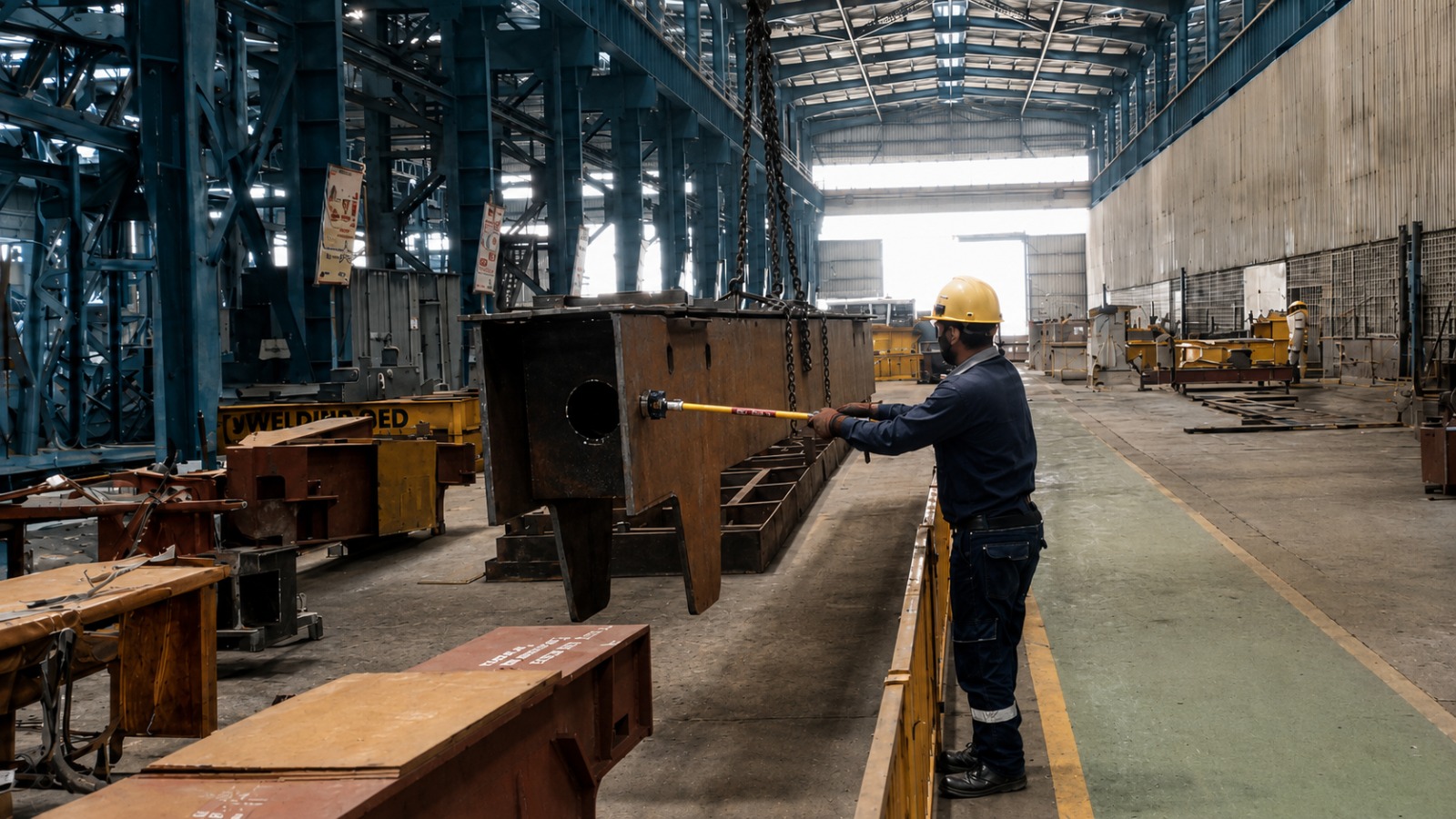
During the lift, the worker stands clear. During the positioning phase, the worker moves closer — to steady the load, to rotate it, to correct its angle, to guide it onto its seating surface. The crane has done its job. The hazard now belongs to the worker standing closest to the steel.
The load leaves the ground and enters controlled movement.
The crane performs the major movement while workers remain clear.
The worker moves closer to make the final controlled corrections.
What the Positioning Phase Actually Requires
By the time the load reaches its intended location, it typically needs one or more small directional corrections before it can be seated.
Moving the load sideways to align with its target.
Turning the load to its required orientation.
Adjusting the load's settling angle.
Guiding mating faces or seating surfaces into precise contact.
The Last 300 mm Rule™
The Last 300 mm Rule™ is PSC's engineering doctrine for the final positioning phase. It captures a precise observation: the crane performs the major movement, covering the bulk of the distance from origin to destination.
But the final centimetres — where the component is guided into its exact final position — depend on a worker applying a small, controlled, directional correction.
Steady it. Turn it. Move it slightly. Align it. Seat it. That sequence happens in the last 300 mm of every positioning task. And that is precisely where the hand tends to enter the hazard zone — because the hand is the fastest, most versatile, most immediately available tool for applying the correction the task requires.
The Last 300 mm Rule™ · PSC Doctrine
“The crane, hoist or forklift performs the major movement. But the final centimetres still depend on a worker.”
That is precisely where the hand exposure lives.
Why the Positioning Phase Is Under-Engineered
The Engineering Response
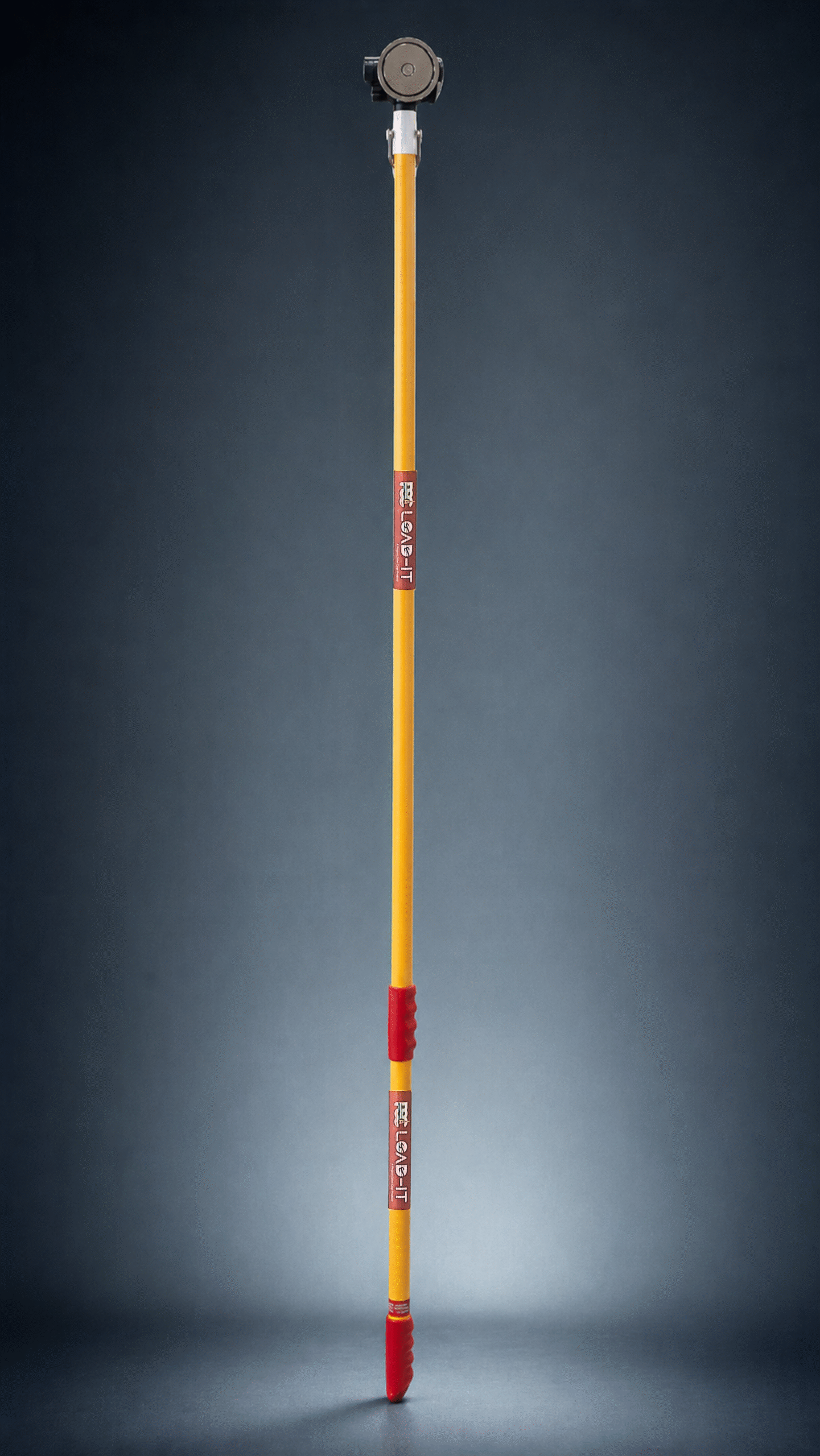
The engineering question the positioning phase raises is direct: if direct hand contact is the source of the exposure, can the same directional control be applied without the hand contacting the load?
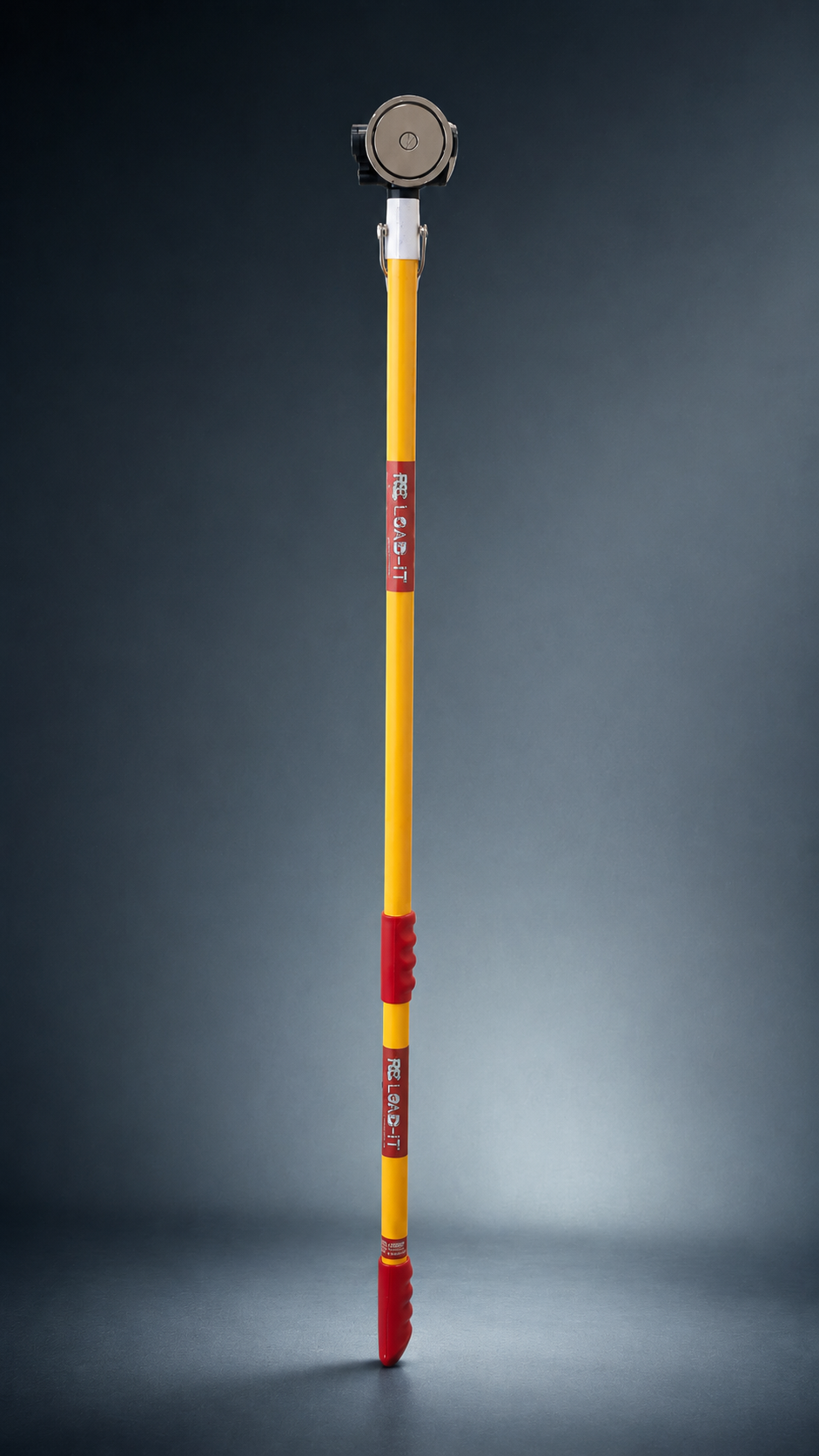
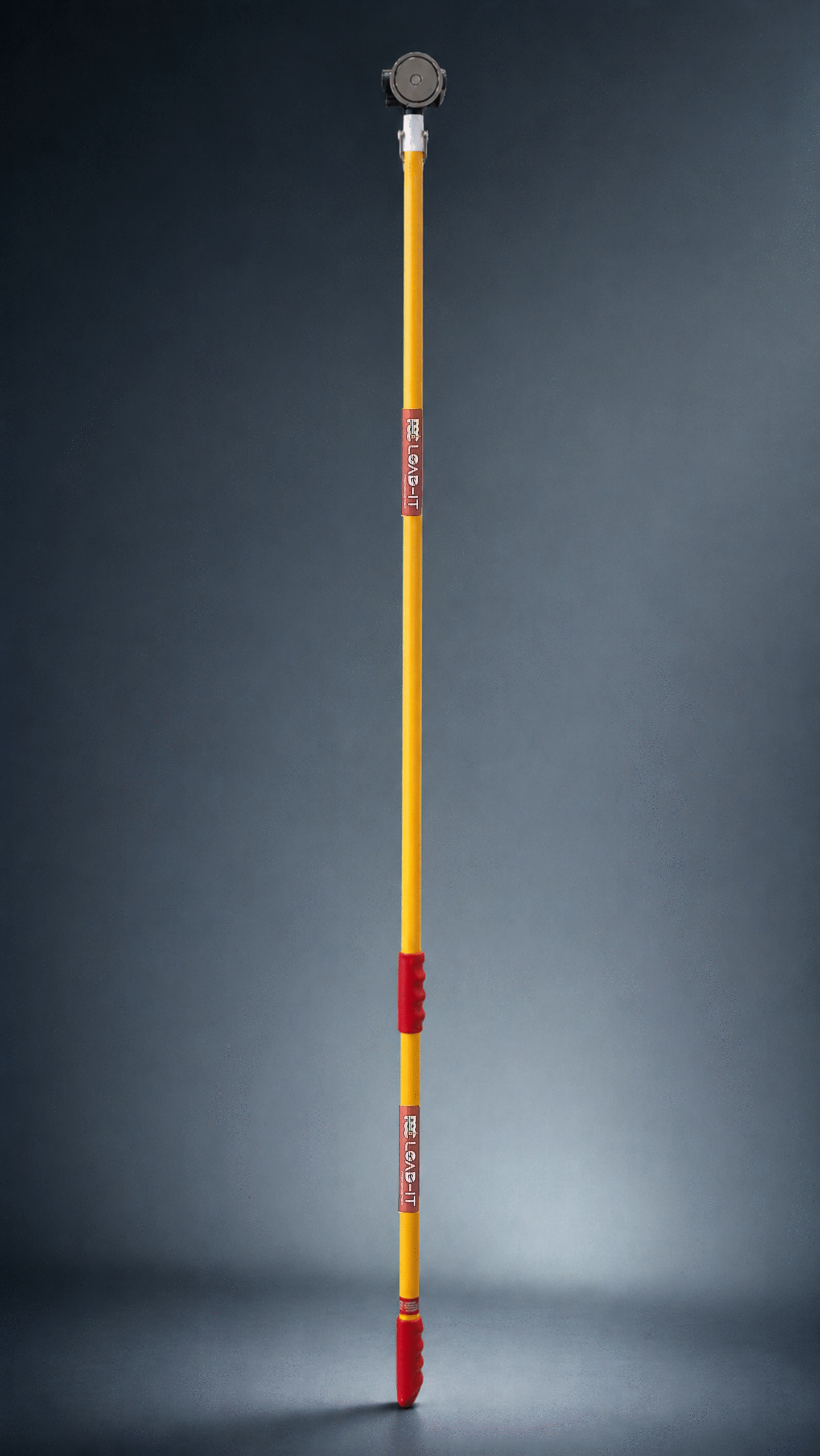
A magnetic push-pull tool does not change what needs to be done to the load. It changes where the operator's body is standing while it is done.
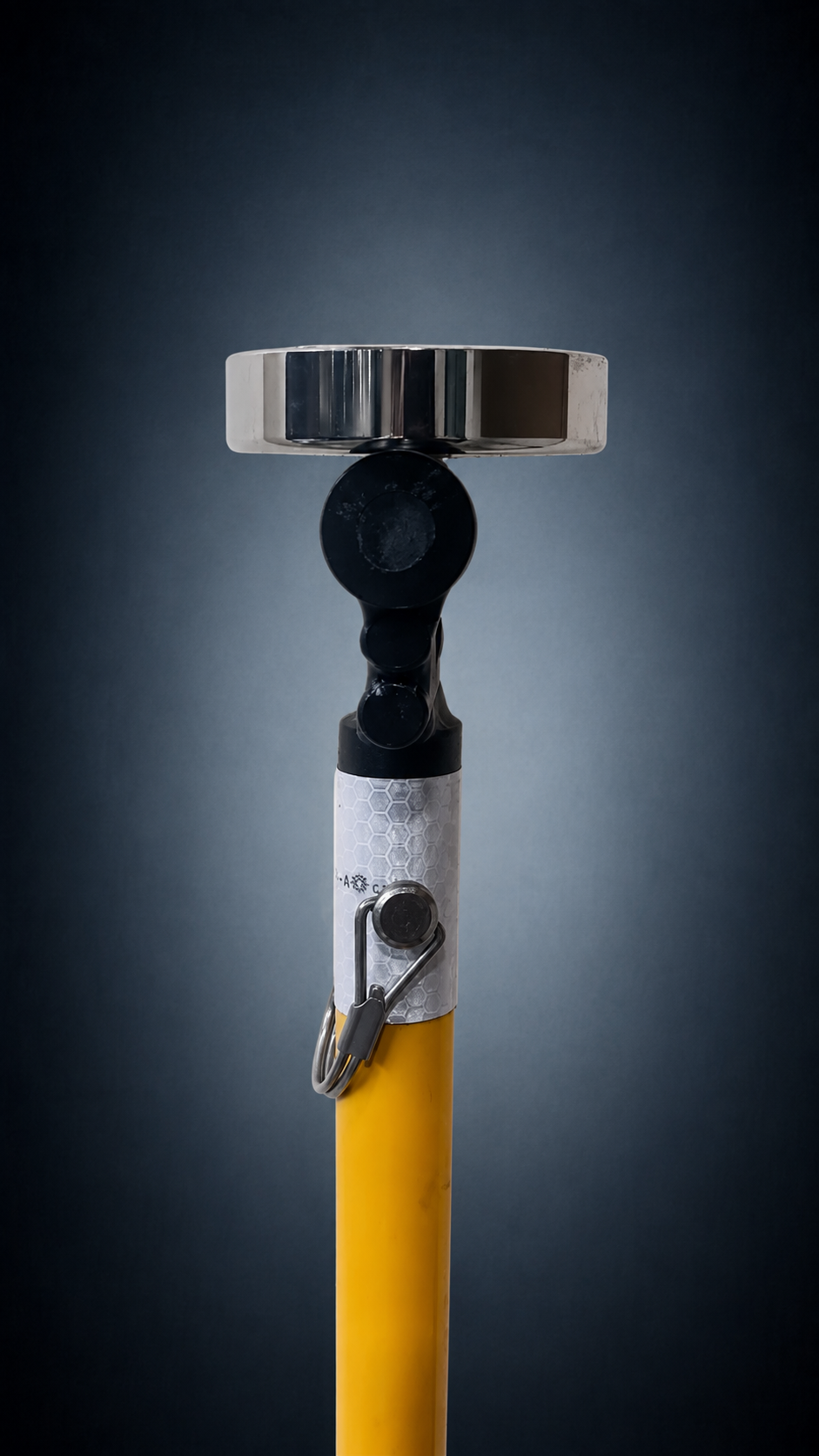
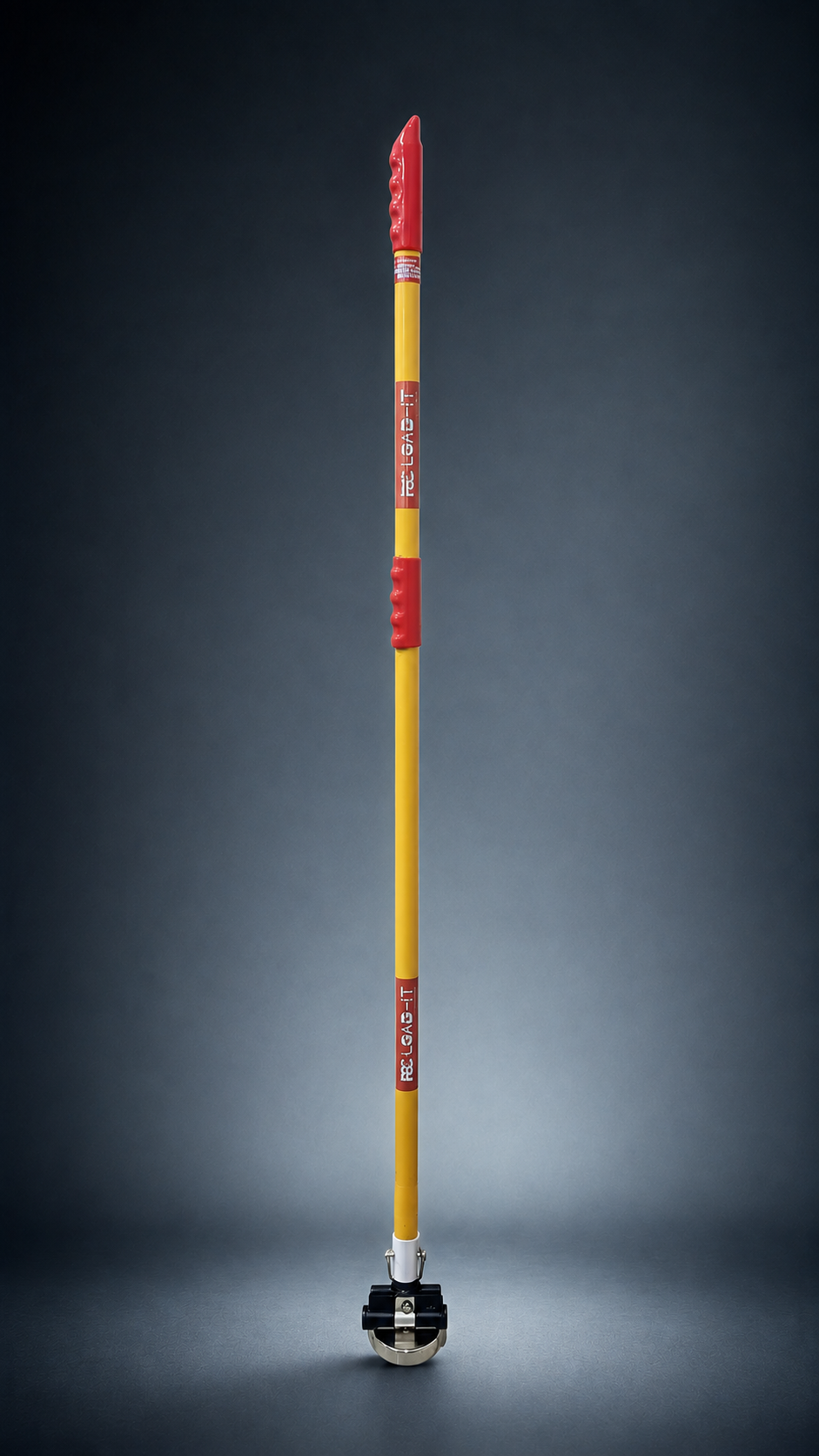
The magnetic interface attaches to the load's surface, the tool's length creates the working distance, and the articulated head allows push, pull, and rotational correction without the hand entering the closing gap, the swing arc, or the crush zone.
Related Engineering Resources
Review the MagHead system, configuration selection, magnetic-force engineering and broader hands-free ferrous-load guidance methodology.
Premium Engineering Consultation
PSC's Application Mapping Review examines the actual task — the load, the surface, the access conditions, and the operator's movement — and recommends the correct matched configuration.