Variable 01
Required standoff
Determine the working distance the task needs before final positioning starts.
Layer 3 · Application Article · PSC Hand Safety
Offshore platform work combines constrained deck space, high-value equipment, and positioning tasks that must be completed safely with limited room for the operator to stand clear.
Standoff Distance as the Primary Variable
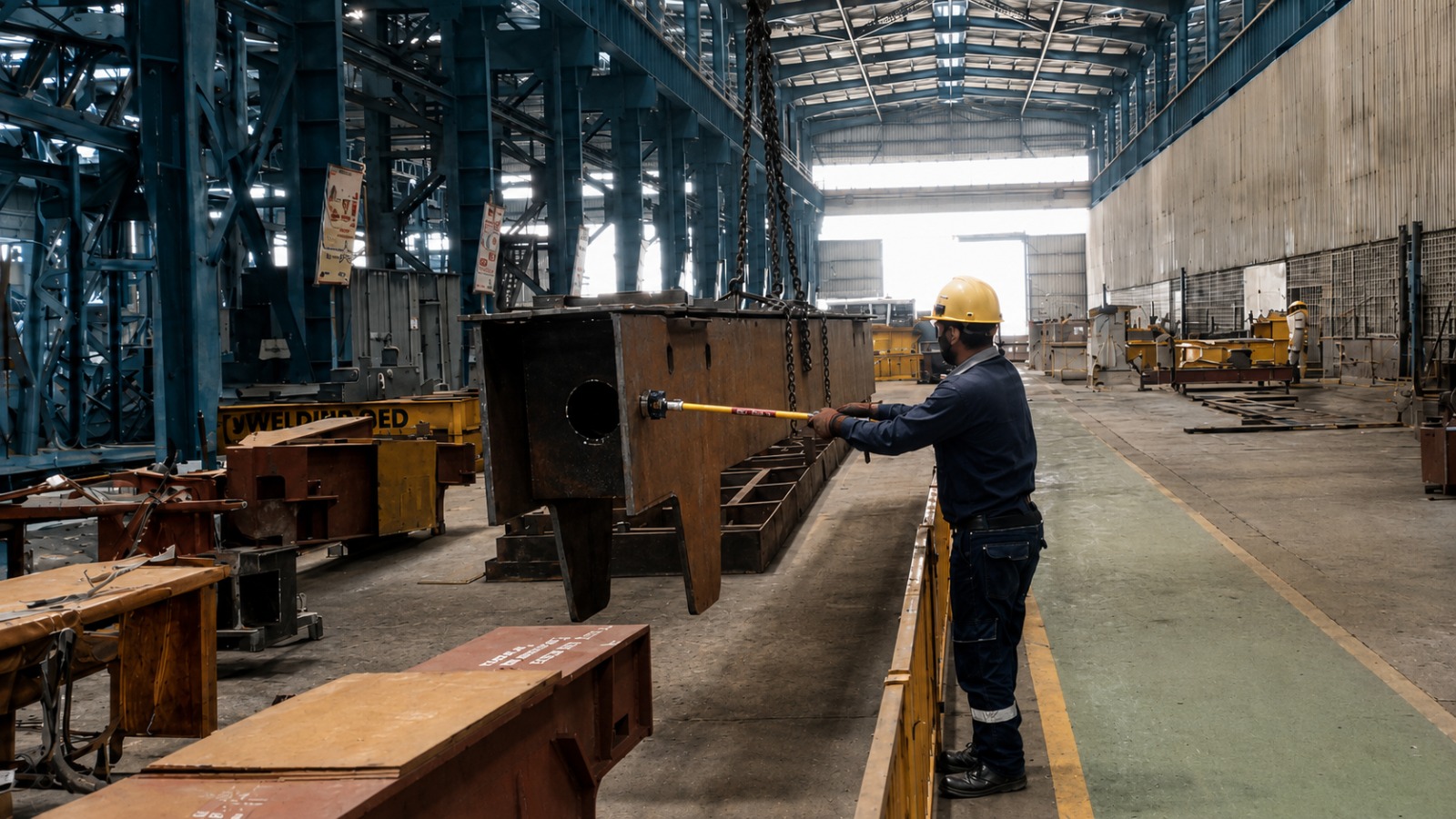
Positioning equipment modules and skids on offshore platforms concentrates several engineering challenges simultaneously: available deck space limits how far the operator can stand from the load; the equipment is high-value and must be placed precisely; and the marine environment imposes corrosion conditions that affect both the load's surface and the tool's own condition.
On a congested offshore deck, the limiting factor is often not what the task requires but what the available space permits.
An operator who needs 6 ft of standoff but has only 4 ft of clear deck must either accept reduced standoff or adjust the positioning sequence to create clearance before the final approach.
The second option is almost always preferable from a safety standpoint — sequence the deck work to create adequate working space before the final lift begins.
Determine the working distance the task needs before final positioning starts.
Confirm what clear area the operator can actually use during the approach.
Create adequate working space before the final lift rather than simply accepting reduced standoff.
Extended Standoff in Confined Conditions
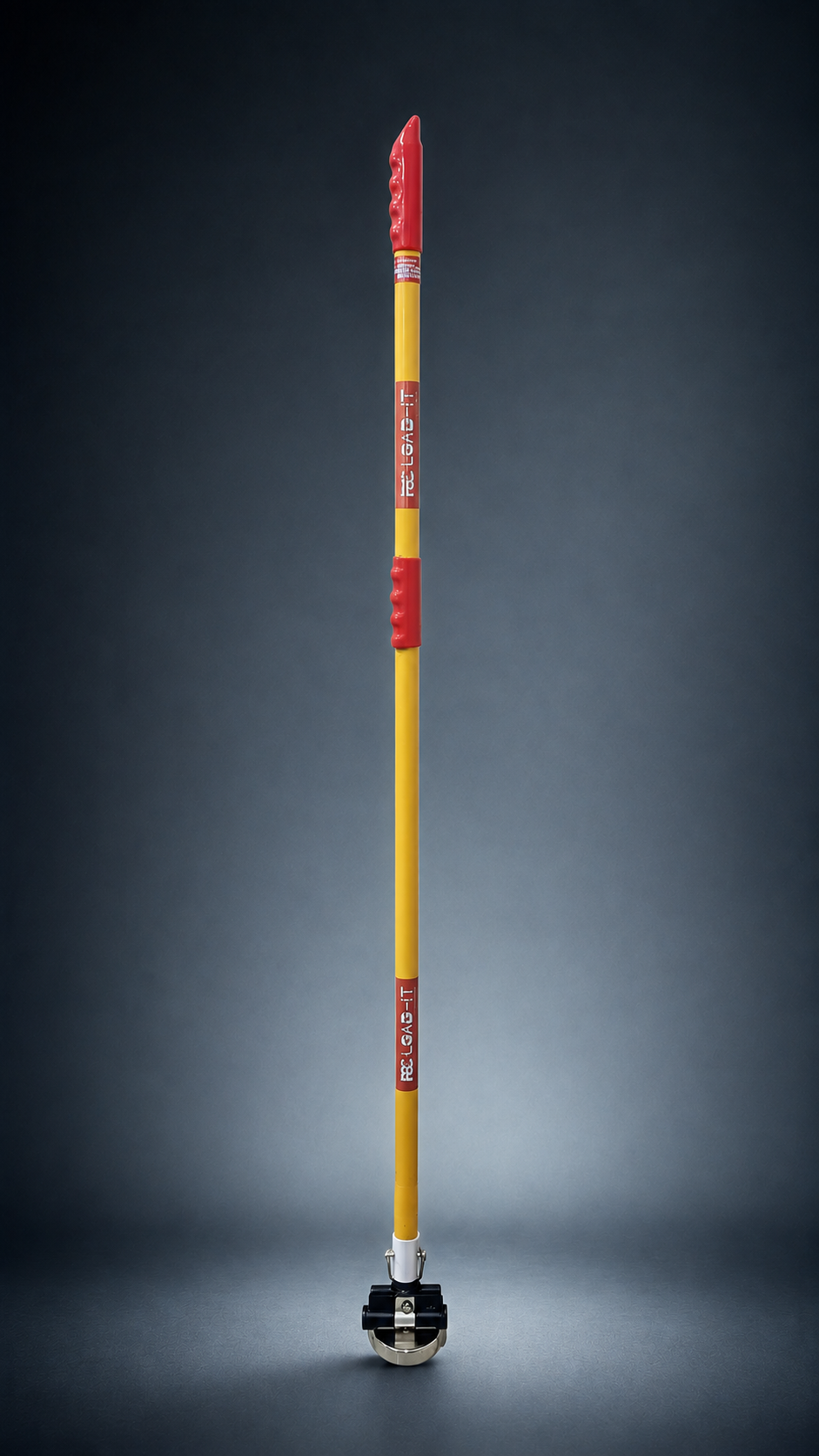
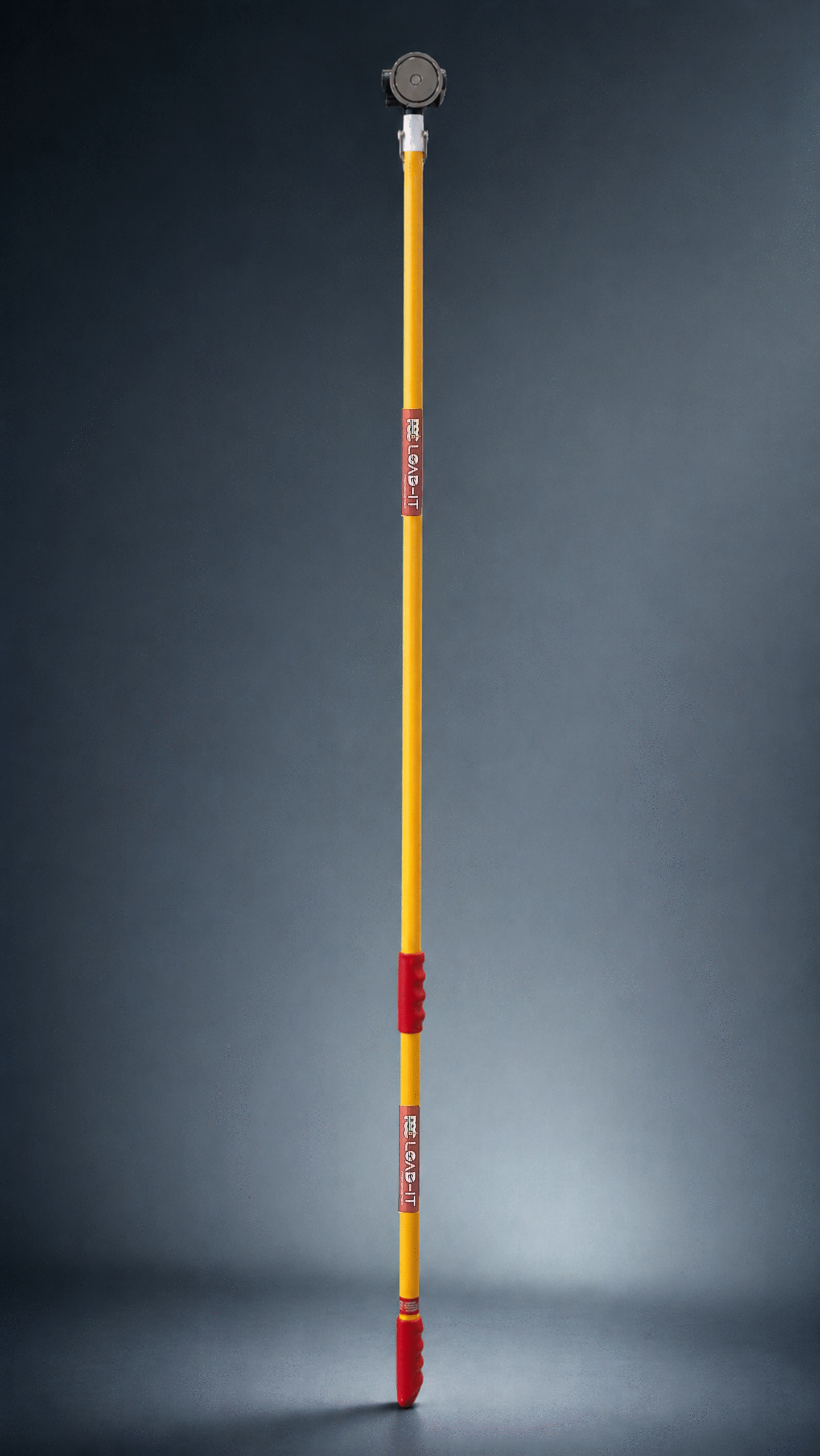
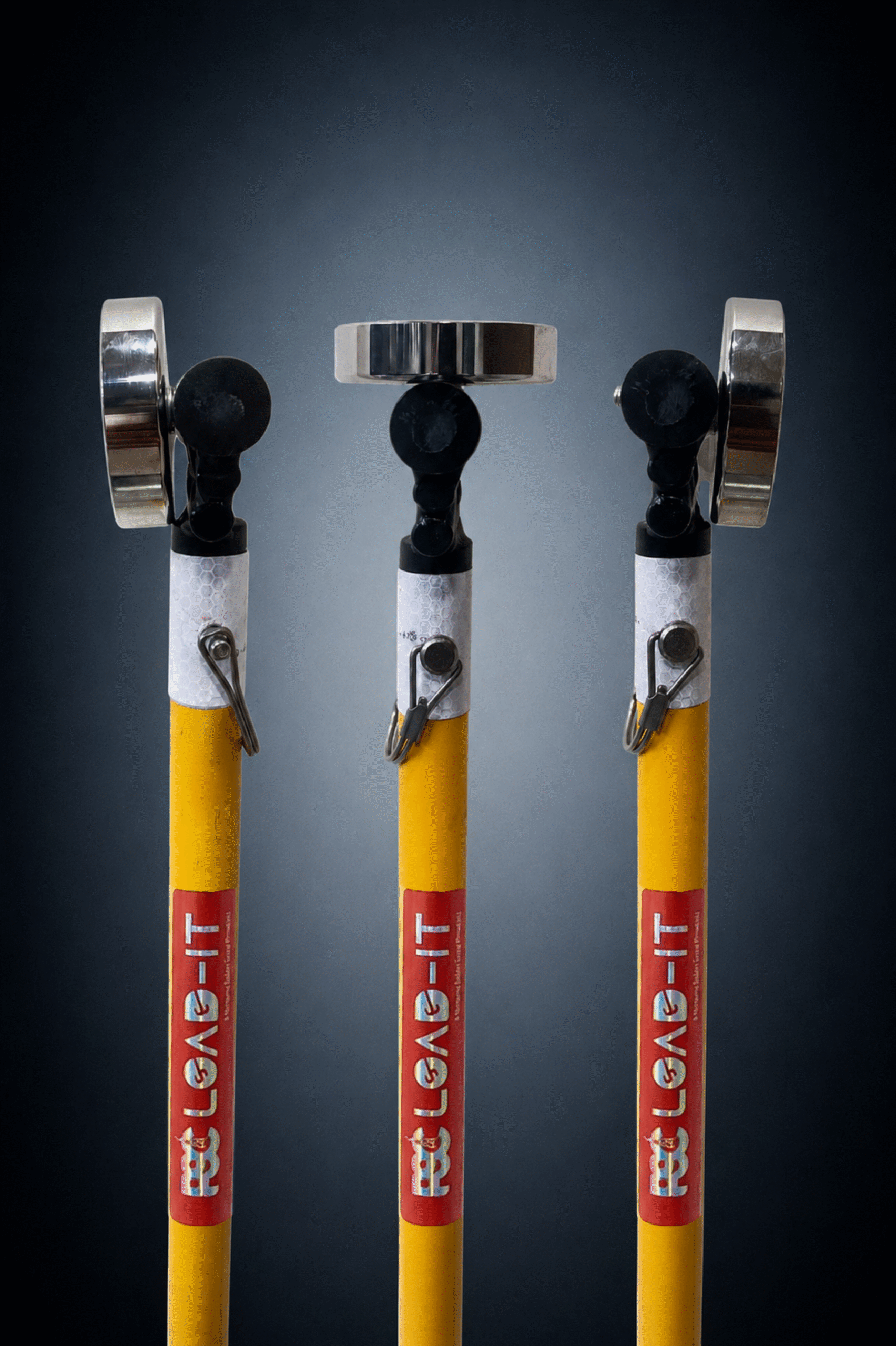
Where deck space is genuinely constrained and the risk assessment identifies an extended standoff requirement, the FG008 fibreglass telescopic pole provides adjustable reach from 4 to 8 ft.
This allows the working distance to be set to the maximum the available space permits, rather than being fixed by a specific tool length.
Adjustable reach for applications where the required working distance must be matched to the available clear deck space.
Module and Skid Positioning
Equipment modules and skids typically present flat, consistent ferrous surfaces.
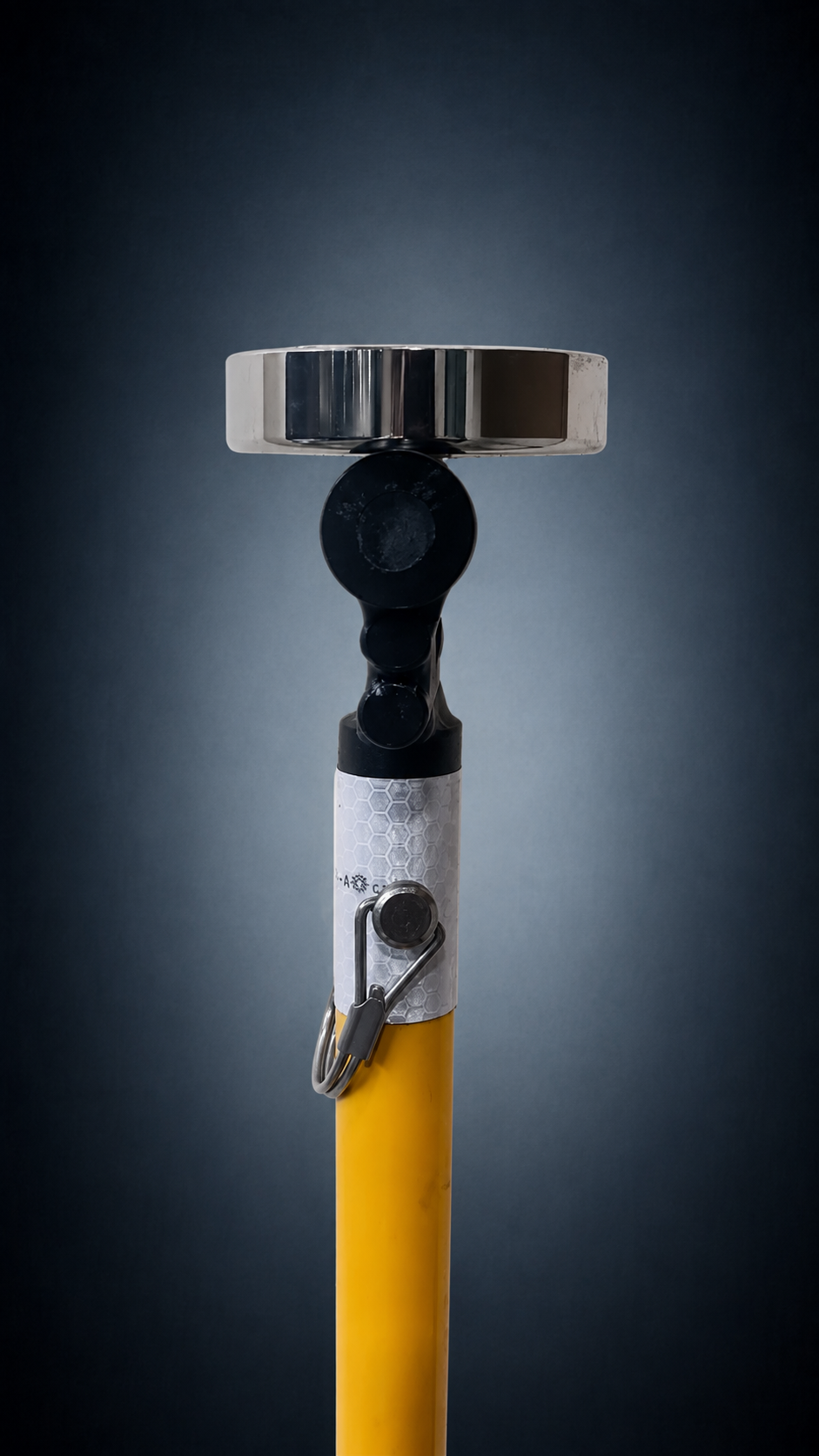
The 90° Flex Head is often appropriate for skid positioning where the approach geometry is predictable.
The 180° Swivel Head suits module positioning tasks where the operator must move around the module during the alignment sequence.
Corrosion and Inspection Offshore
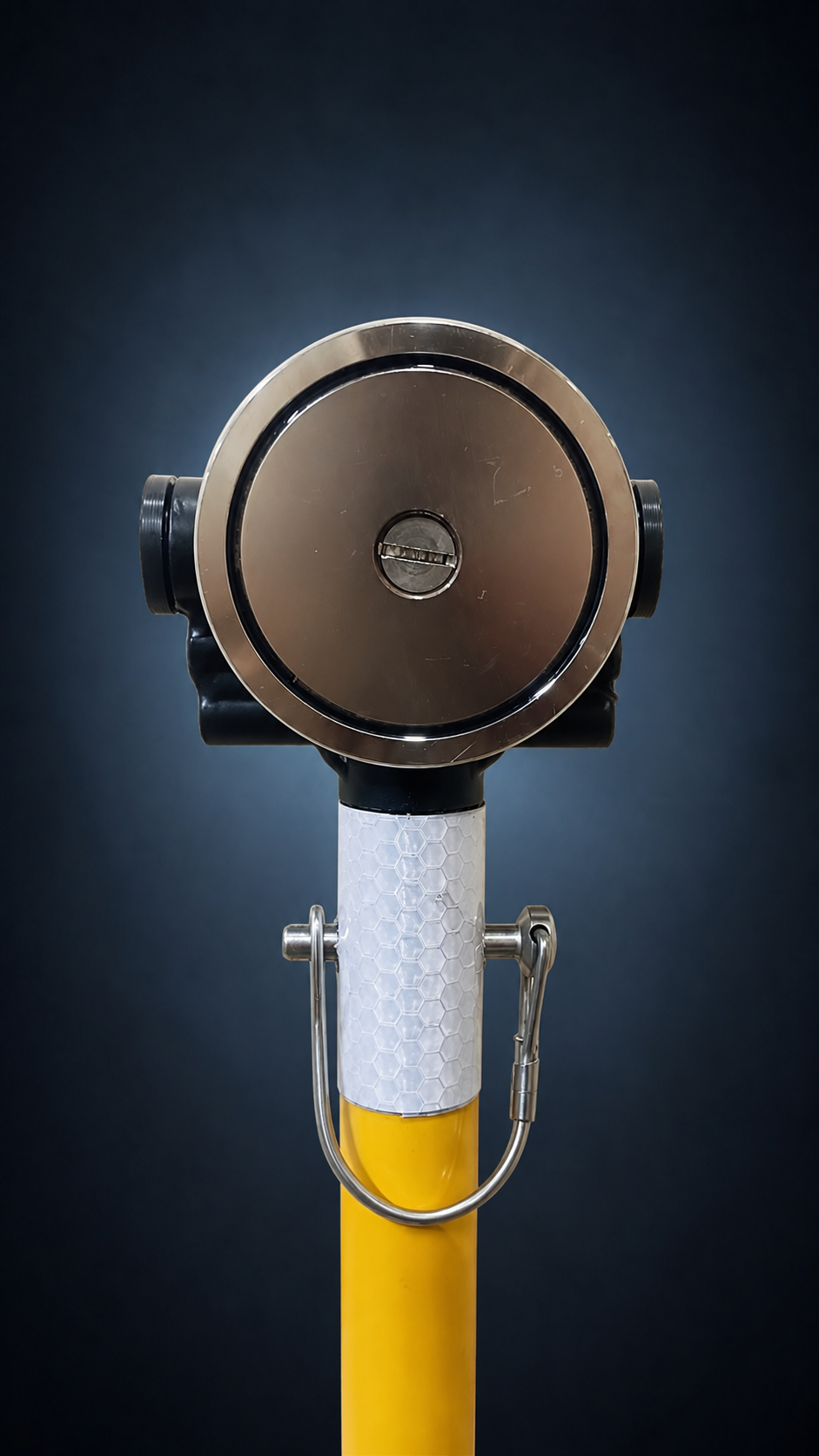
The offshore marine environment accelerates corrosion on both tool and load surfaces.
Inspection frequency should be increased relative to onshore practice.
Tools showing corrosion damage to the magnetic face or mechanical play in the joints should be removed from service immediately.
Related Engineering Resources
Review the MagHead system, configuration selection, magnetic-force engineering and the wider hands-free ferrous-load guidance framework.
Premium Engineering Consultation
PSC's Application Mapping Review examines the actual task — the load, the surface, the access conditions, and the operator's movement — and recommends the correct matched configuration.