Layer 3 · Application Article · PSC Hand Safety
How to Integrate a Magnetic Push-Pull Tool Into a Crane Lifting Team
Selecting the right tool is not the same as using it correctly within a team. This article covers how the magnetic tool operator's role fits alongside the crane operator, banksman, and tagline operator.
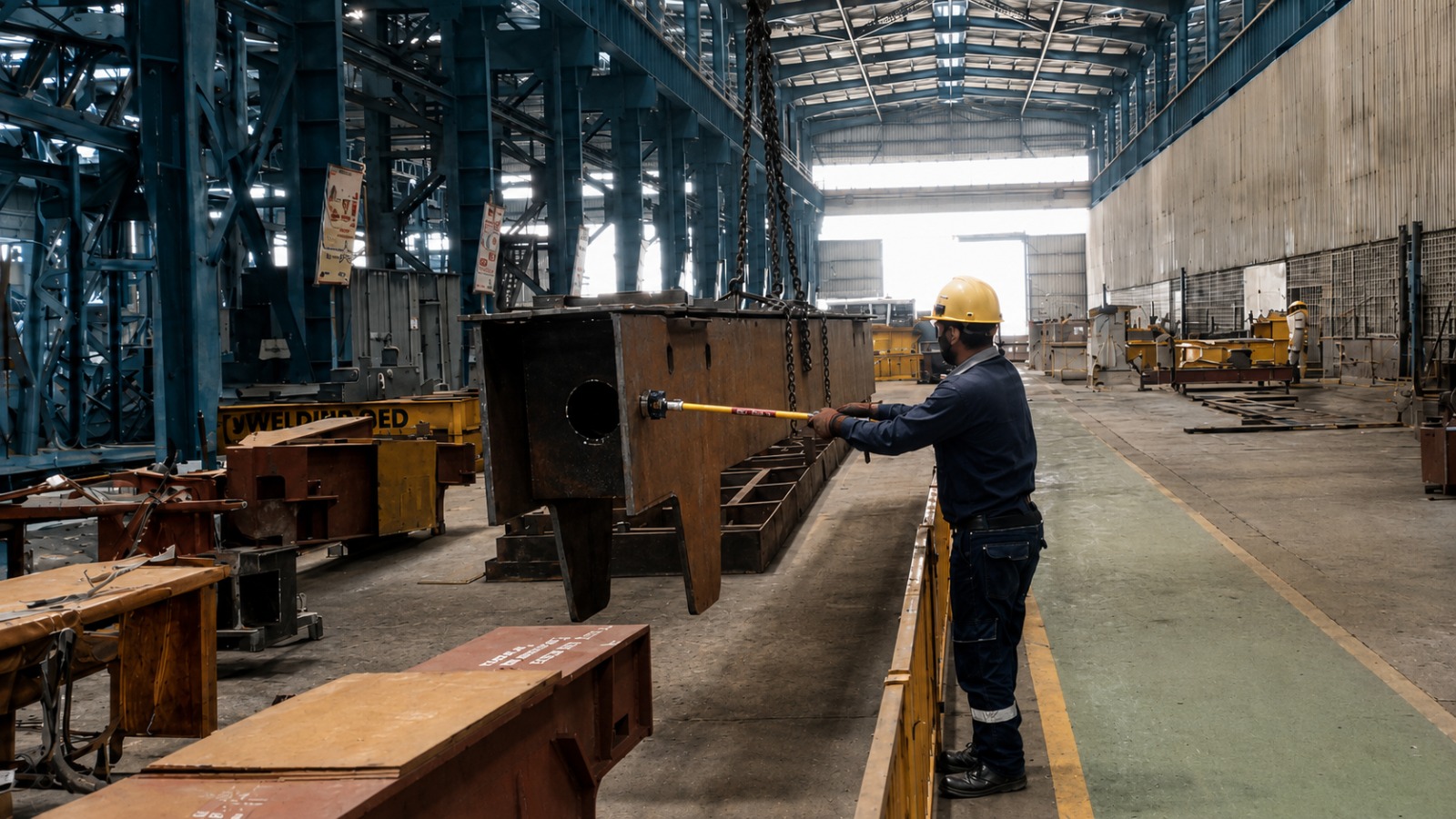
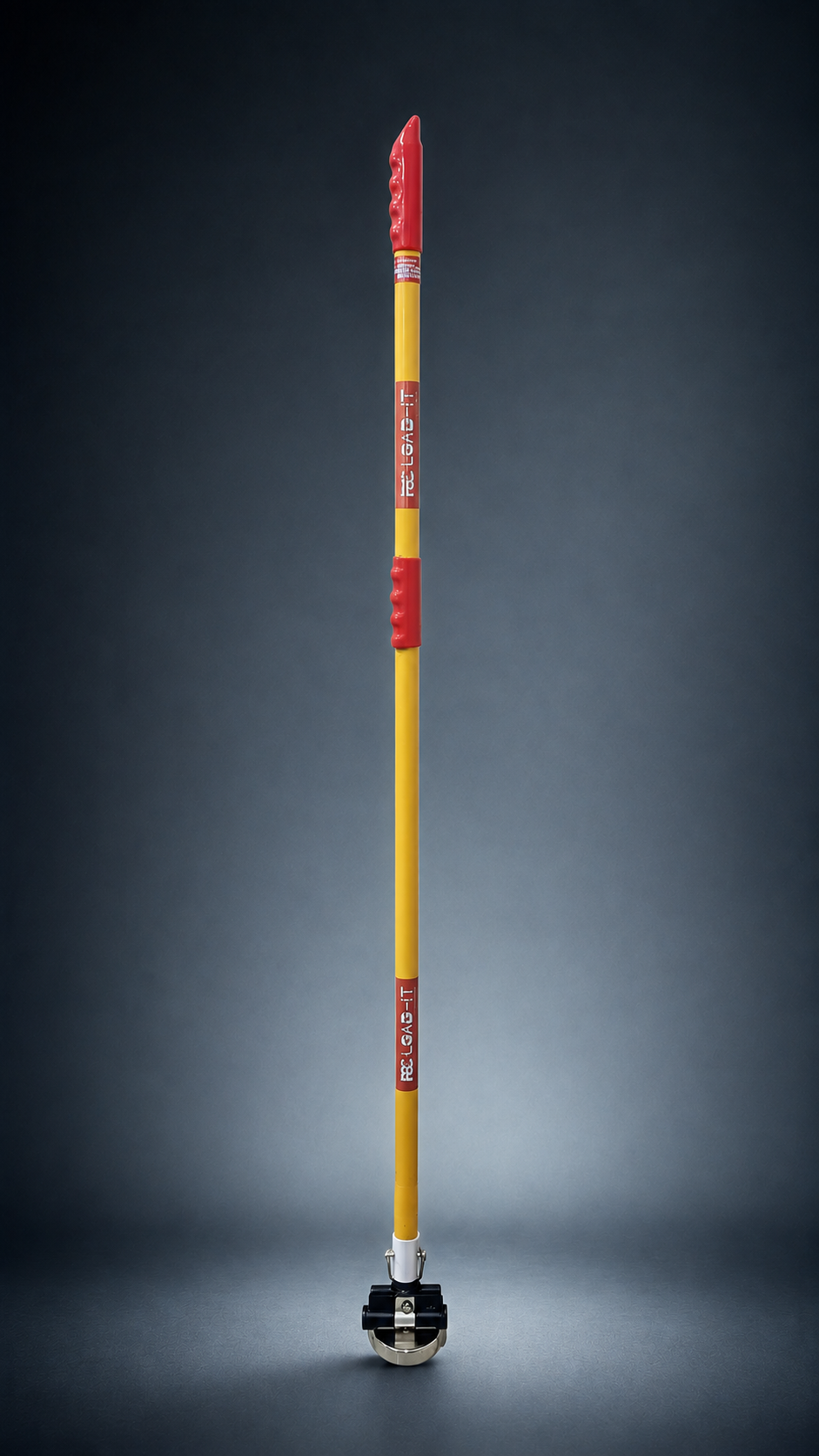
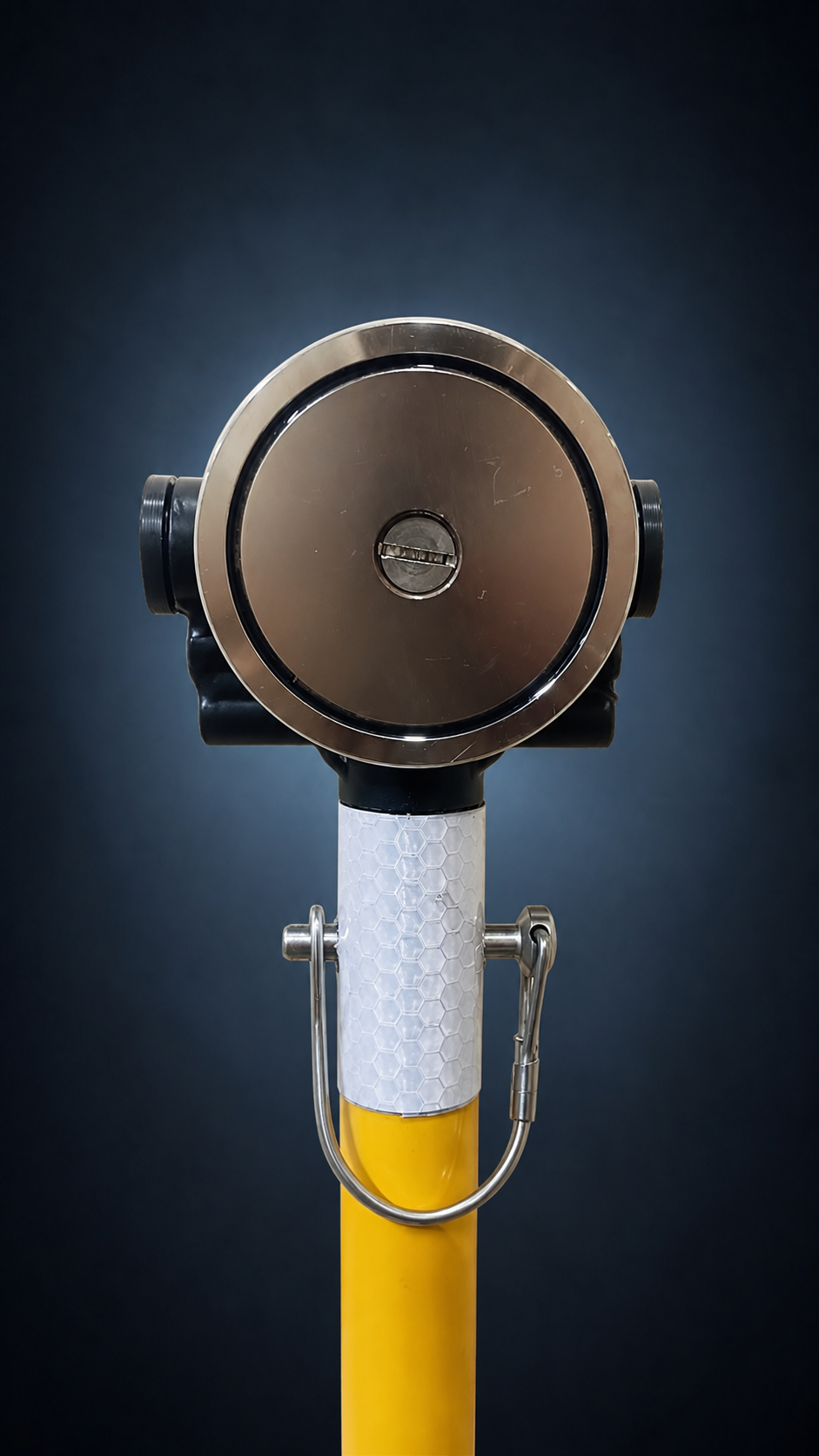
A magnetic push-pull tool does not replace any existing role in a crane lifting team. It adds one more role, with its own position in the lift sequence and its own communication responsibilities.
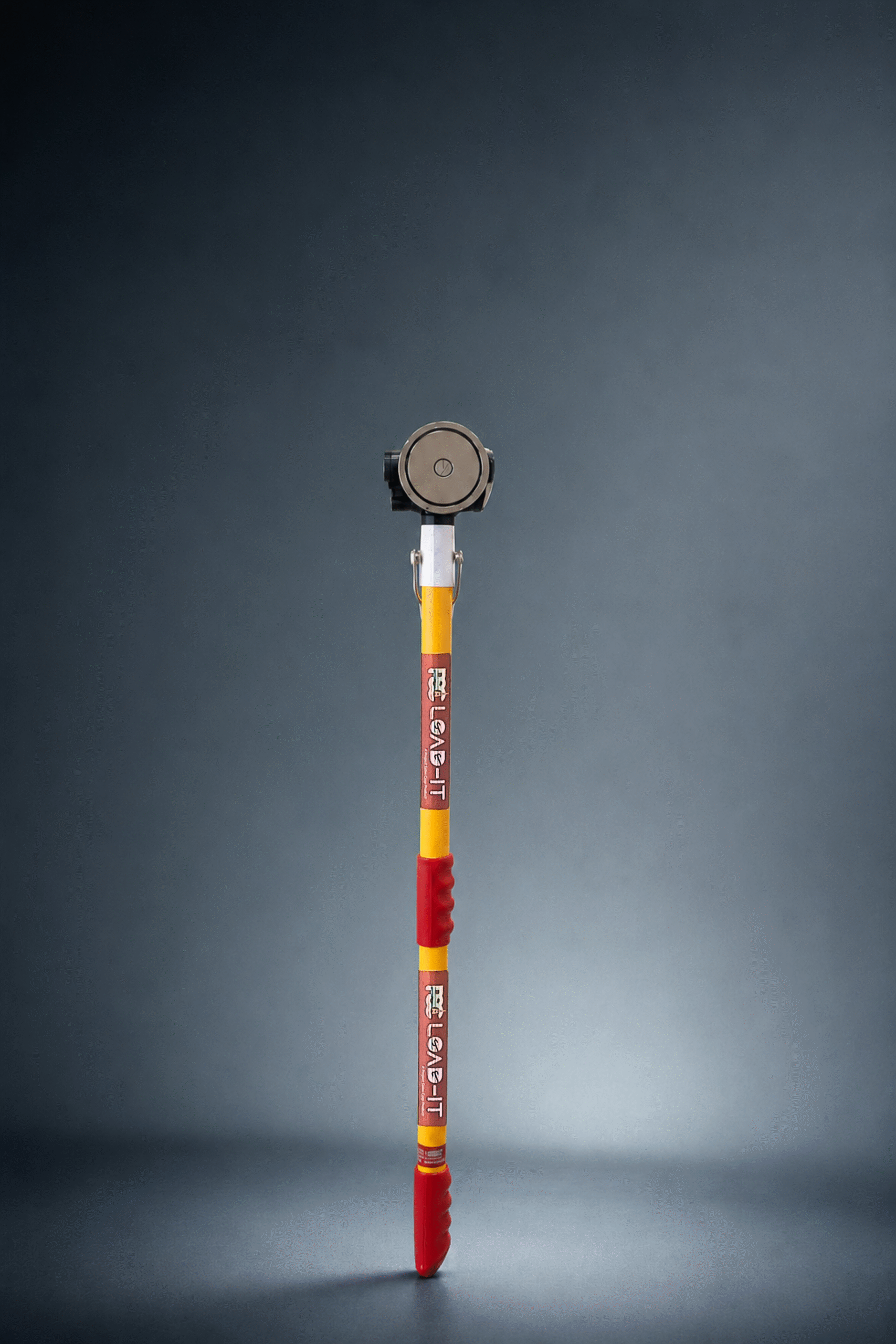
The Four Roles
Define who controls which part of the lift.
Controls the hoist and crane travel; supports the full load weight throughout; responds to signals from the banksman.
Directs the lift, maintains situational awareness, signals the crane operator, and confirms correct rigging before lift-off.
Manages gross swing and orientation during early and mid-lift from full tagline length.
Provides close-range guidance, fine correction, rotation control, and final positioning as the load approaches its landing point.
Not every lift uses all four roles. A short, simple positioning task may involve only a crane operator and a magnetic tool operator. What matters is that each role's function is understood before the lift begins.
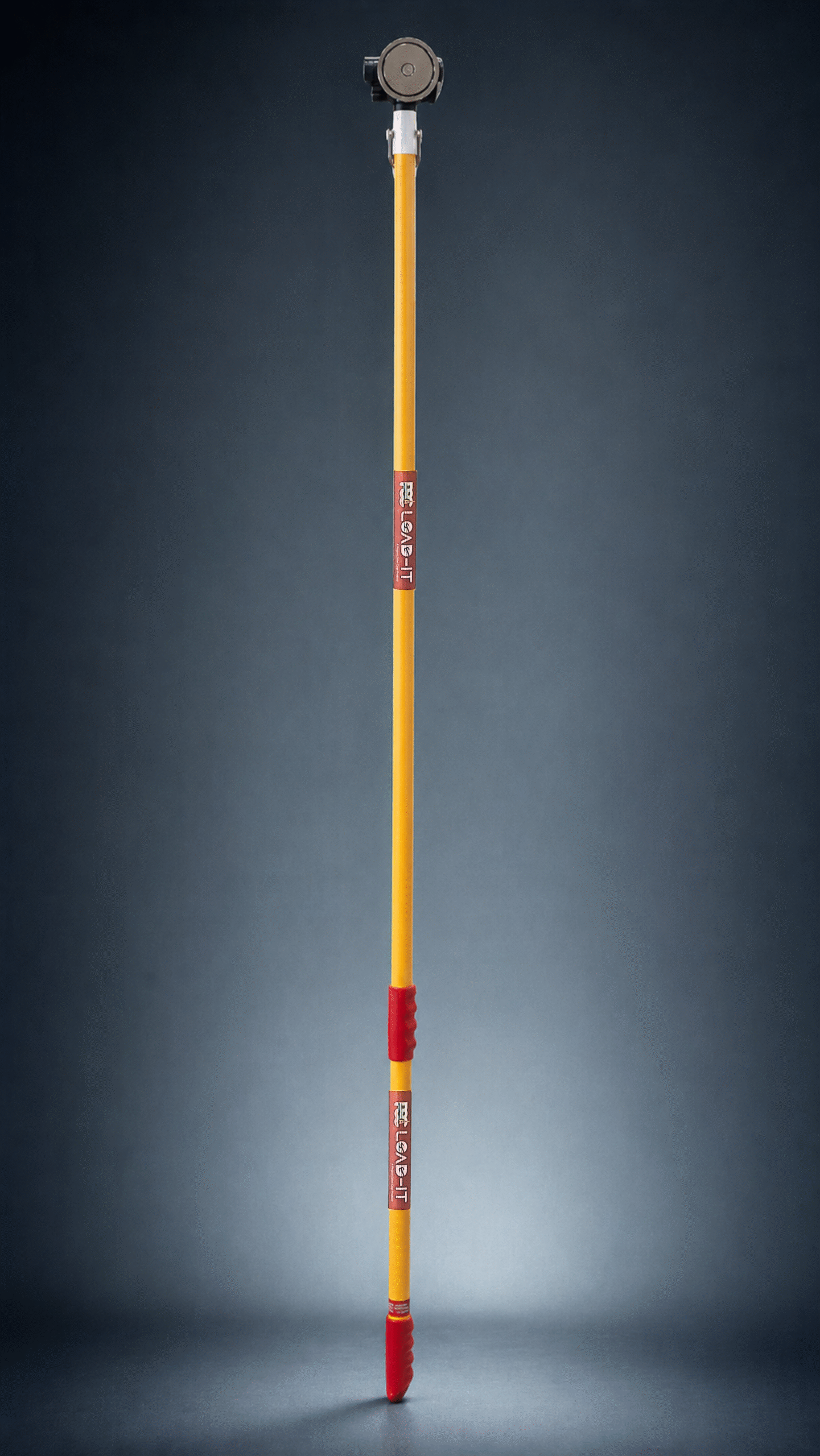
Communication Requirements
The tool only works safely when team intent is visible.
Gross swing control and fine positioning must work together, not against each other.
The Positioning Sequence
From gross movement to final supported position.
Crane brings the load toward its final position; tagline manages gross swing.
Magnetic tool operator engages once the load is within comfortable reach at a safe working distance.
Rotation, small lateral adjustment and alignment are applied through the magnetic interface while the crane continues to support the load.
Crane lowers the load onto its final supported position; the magnetic tool operator continues to guide alignment through the last stage of descent.
Once the load is fully landed and supported, intentionally disengage the tool — never while the load remains suspended.
Related Engineering Resources
Continue the lifting-team assessment.
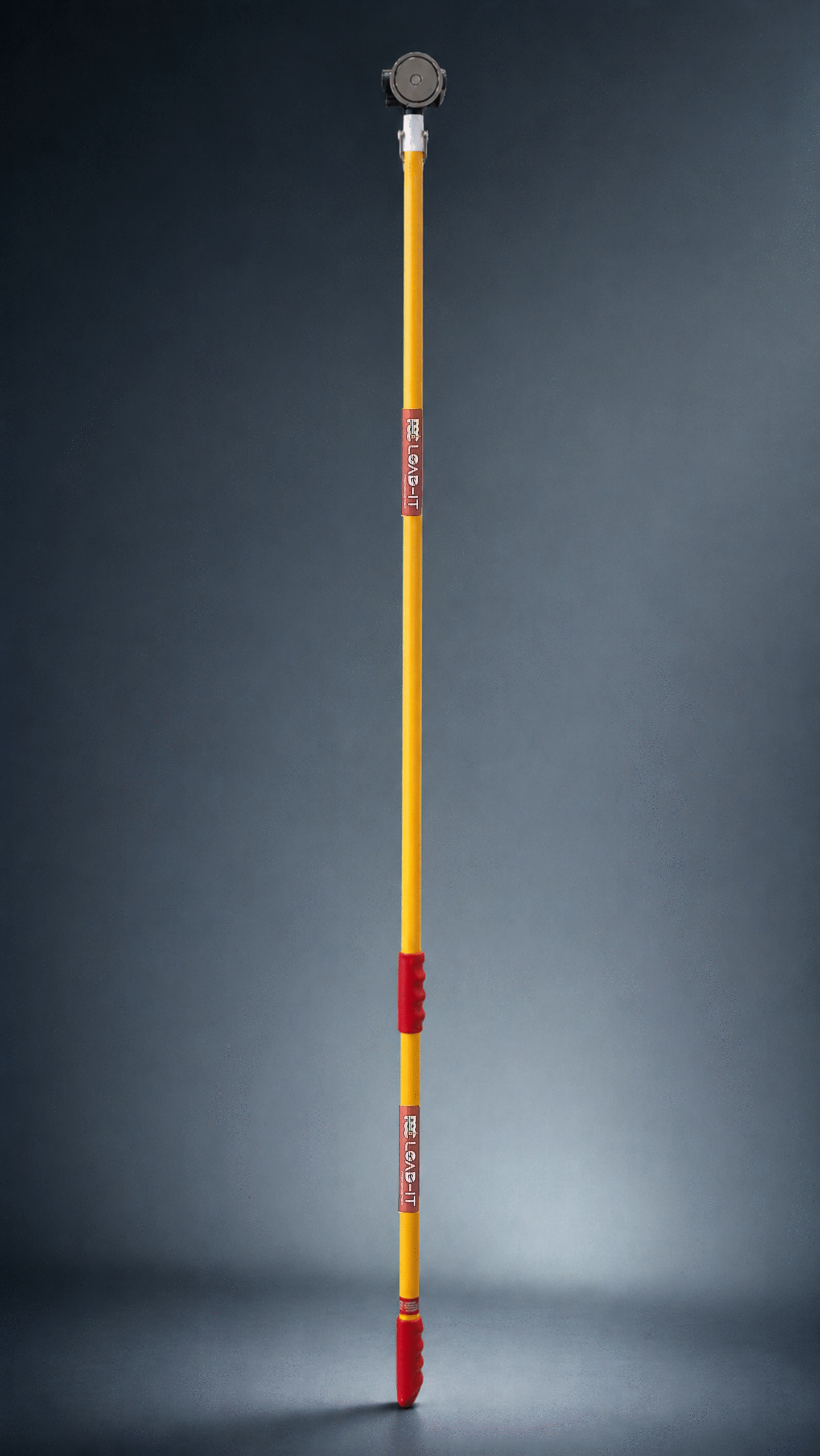
Use these resources to review the Load-It® MagHead system, configuration selection, magnetic-force considerations and broader ferrous-load guidance method.
Premium Engineering Consultation
Not sure which configuration fits the lifting task?
PSC's Application Mapping Review examines the actual task — the load, the surface, the access conditions, and the operator's movement — and recommends the correct matched configuration.